Well integrity is fundamental to safe and efficient oil and gas operations. It refers to the ability of well barrier elements (WBEs) to prevent uncontrolled fluid flow from the reservoir to the environment. Maintaining the reliability of these barriers is essential for minimizing risk, avoiding costly incidents, and ensuring long-term sustainability.
Across the well lifecycle, from drilling and completion through production and intervention to plug and abandonment (P&A), each phase presents challenges that can compromise integrity. As wells age, equipment and materials degrade, operating conditions shift, and the potential for failure increases.
Ensuring integrity over decades requires centralized data management and full lifecycle visibility. Today, more than ever, Artificial Intelligence (AI)-driven analytics help detect, predict, and prevent issues before they escalate.
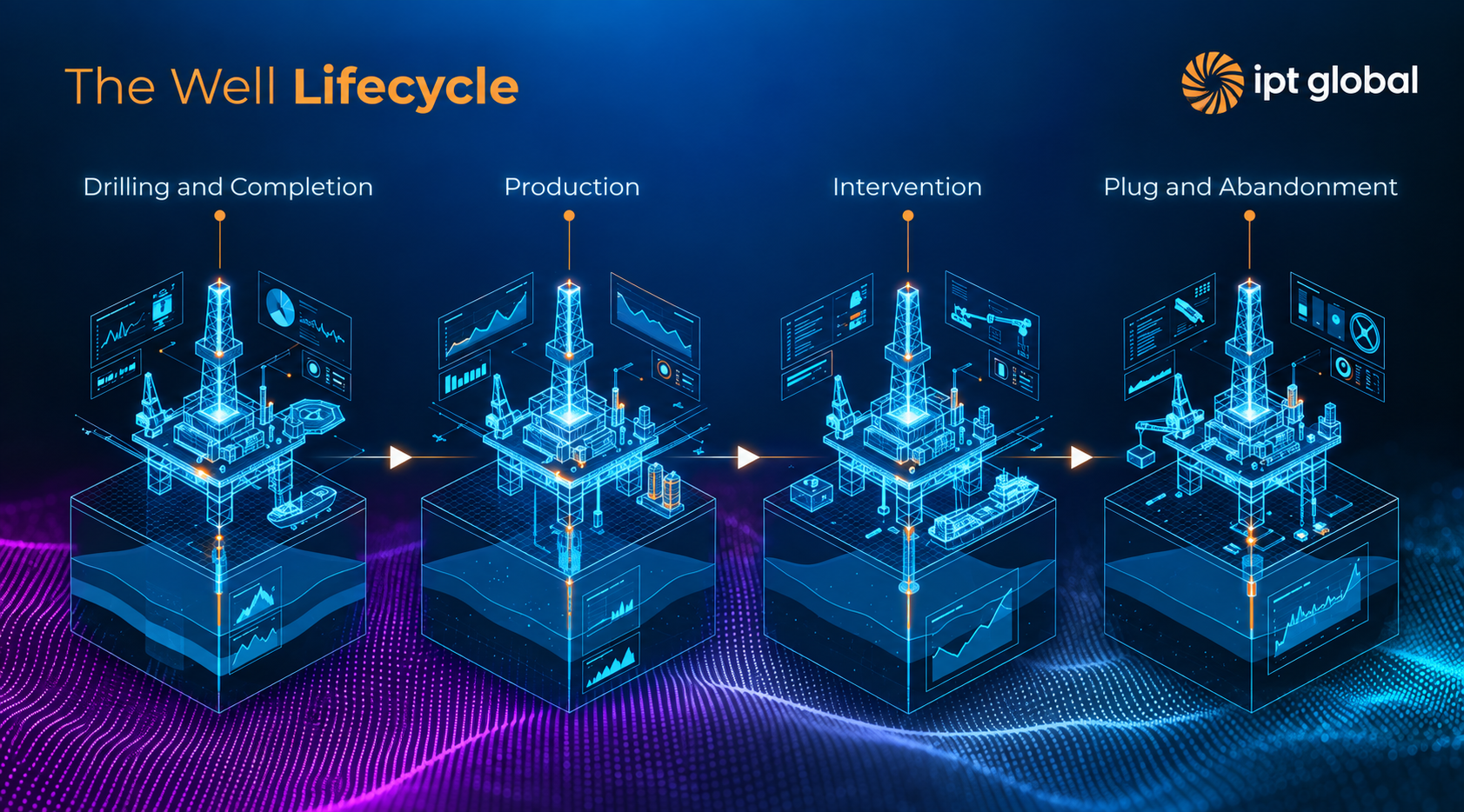
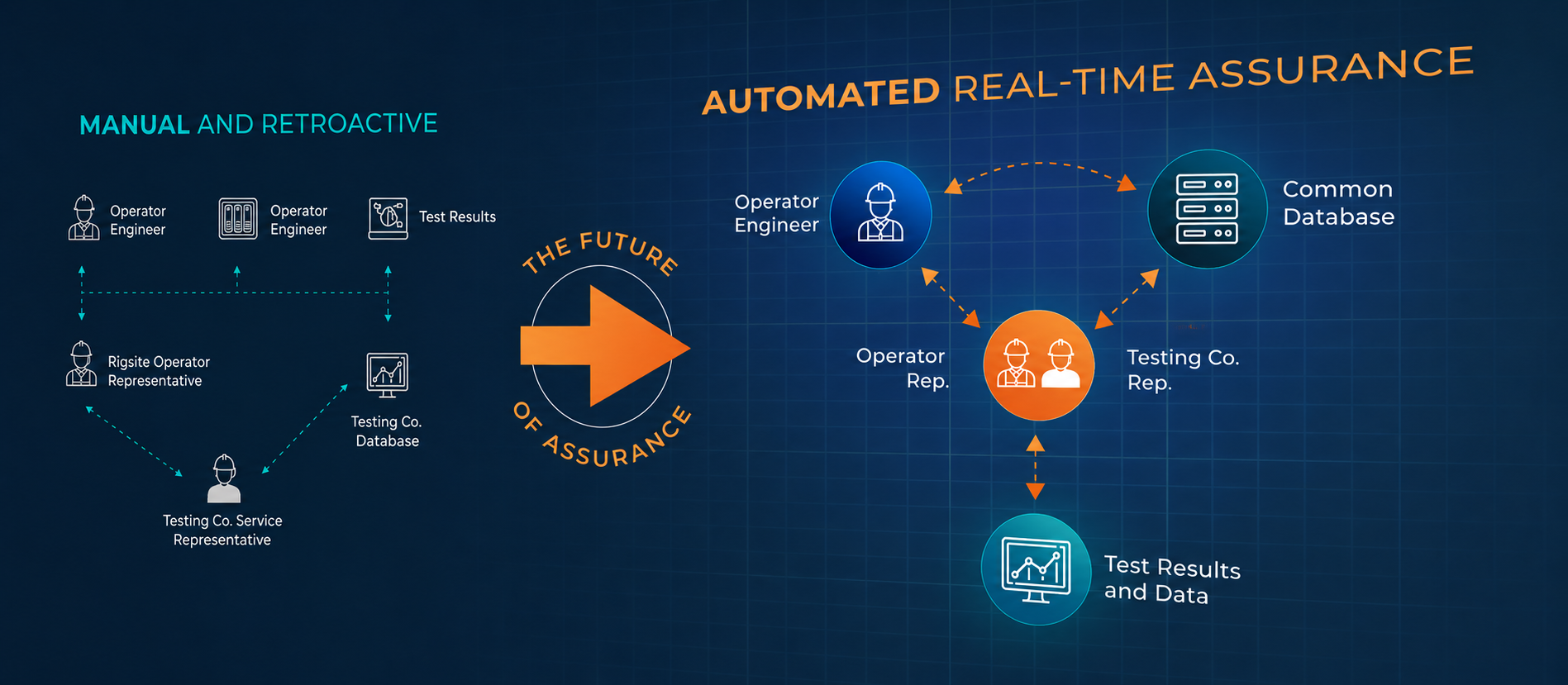
Historically, well integrity management has been fragmented across disciplines and vendors. Data from testing, inspection, and maintenance often resides in separate systems, limiting visibility and slowing response times. Inconsistent documentation and handovers between drilling, production, and abandonment teams create knowledge gaps that can lead to operational and safety risks.
Today’s operators face increasing regulatory scrutiny, growing environmental expectations, and ongoing cost pressures. Managing well integrity across the lifecycle is no longer just about compliance; it is about achieving continuous assurance and operational efficiency through intelligent, connected systems.
AI is transforming how the oil and gas industry approaches well integrity. As a result, modern well integrity software such as IPT Global’s SureTec® uses AI-driven analytics to convert large volumes of operational data, including pressure tests, sensor readings, maintenance logs, and inspection reports, into actionable results.
SureTec solutions incorporating AI models can:
With AI-enhanced reporting and visualization, IPT Global engineers can identify trends across hundreds of wells, verify barrier status in real time, and prioritize interventions that reduce risk and downtime.
The foundation of well integrity begins with precise barrier verification and documentation. During construction, digital wellbore diagrams, automated test planning, and AI-assisted validation ensure that well barrier elements (WBEs) meet design standards. In addition, AI tools evaluate pressure test data using trend analysis and rate-of-change modeling to objectively confirm test outcomes. IPT Global’s SureTec platform provides integrated tools to accomplish this, through the WellSchematic and BarrierManagement and PressureTesting solutions.
This phase benefits from centralized cloud storage and approval workflows, ensuring regulatory traceability and efficient collaboration between the operator, service companies, and regulators.
Meanwhile, during production, operators must balance maximizing output with sustaining barrier integrity. AI-driven well lifecycle management systems consolidate real-time data from sensors, inspections, and historical reports to continuously assess the status of well barriers and envelopes.
By combining analytics and predictive modeling, production teams can detect corrosion, erosion, or equipment wear before they compromise safety. This intelligence supports decisions on workovers, interventions, or decommissioning, reducing unplanned shutdowns and ensuring regulatory compliance across operations. IPT Global’s SureTec platform provides integrated tools to accomplish this, through the WellSchematic and BarrierManagement and PressureTesting solutions.
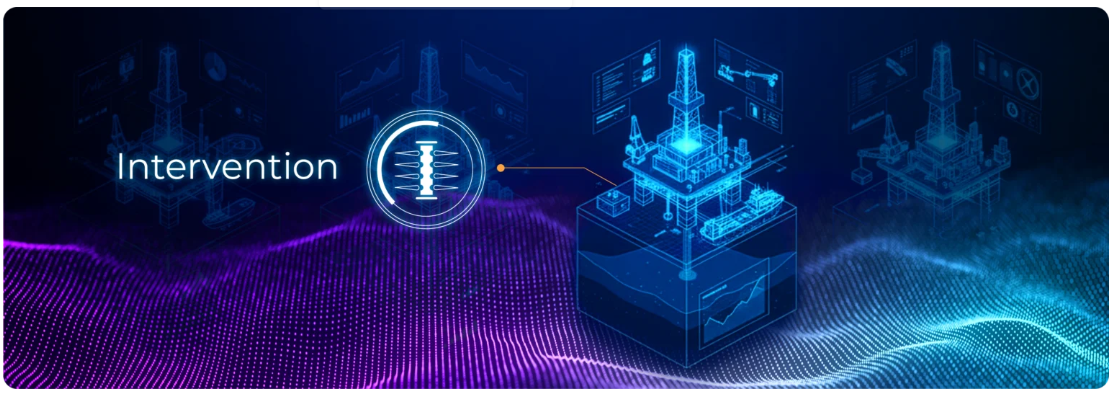
Workovers and interventions introduce added complexity with multiple crews, shorter timelines, and simultaneous testing. AI-enabled multi-test monitoring allows teams to track test results in real time and automatically flag deviations.
This approach improves the efficiency of barrier verification while maintaining full traceability. With consistent data flow from intervention to production, teams gain visibility into all well integrity tests, ensuring operational continuity and regulatory compliance. IPT Global’s SureTec platform provides integrated tools to accomplish this, through the WellSchematic, PressureTesting, and Equipment Health Monitoring solutions.
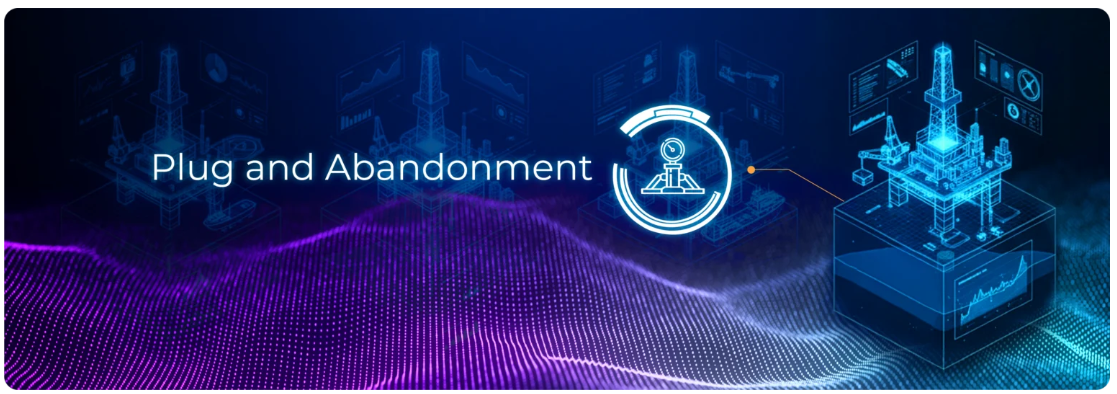
In the final stage of the well lifecycle, the goal shifts from production optimization to environmental safety and regulatory compliance. Regulations vary globally, but all require thorough documentation of barrier verification and abandonment procedures.
AI-powered well integrity software aggregates historical WBE data, providing a complete picture of each barrier’s condition before, during, and after abandonment. Predictive analytics can detect defective cement, corrosion pathways, and equipment weaknesses before P&A operations begin. IPT Global’s SureTec platform provides integrated tools to accomplish this, through the WellSchematic and BarrierManagement, PressureTesting, and Equipment Health Monitoring solutions.
This data-driven approach supports a safe, verifiable, and auditable abandonment process, reducing risk and ensuring long-term environmental protection.
Across every phase, data is the foundation of well integrity management. Modern platforms integrate real-time testing data, historical maintenance records, and regulatory reports into a single unified view.
IPT Global’s advanced reporting and analytics capabilities, powered by AI, allow teams to:
By connecting data from drilling and production through abandonment, operators gain insight into well health across the full lifecycle, empowering proactive decision-making and improving safety performance.

Managing well integrity across the full lifecycle of a well is complex, but AI and data-driven insights are making it more predictable, transparent, and efficient than ever before.
By integrating AI-driven analytics, centralized data management, and intelligent reporting, operators can sustain well integrity, reduce non-productive time (NPT), and ensure environmental and regulatory compliance from drilling to abandonment. The future of well integrity lies in connected intelligence, where data, technology, and expertise converge to protect assets, people, and the planet.
As operators continue to evolve their approach to well integrity management, integrating new technologies like AI-driven analytics is key to sustaining well integrity over time. Yet, the fundamentals of sound barrier design, verification, and maintenance remain just as critical.
For a further look at how these well integrity principles apply across drilling, production, intervention, and abandonment, read our article Managing Well Integrity Over the Entire Well Lifecycle.
At the International Association of Drilling Contractors (IADC) Advanced Rig Technology (ART) Conference, IPT Global Chief Technology Officer Cody MacDonald explored the future of drilling automation in oil and gas, emphasizing how data integration between service providers is becoming essential to safer, more efficient rig operations and well integrity management.
As a leader in well assurance intelligence, IPT Global helps operators and drilling contractors strengthen well integrity, improve visibility, and make more confident decisions to achieve greater efficiency from spud to completion.
One of the most significant barriers to effective automation is siloed operational data systems. Many rigs rely on multiple third-party service vendors, each with independent automation tools that rarely exchange data reliably or communicate in real time. This challenge is common across automation in oil and gas, where interoperability underpins digital efficiency.
Through IPT Global’s collaboration with a global super major, Cody showed how the SureTec platform connects service providers through integrated systems, enabling the secure transfer of well integrity data. This unified data approach is essential for optimizing performance in drilling automation and achieving true rig data interoperability across the entire well lifecycle.
Automation in drilling isn’t only a software problem — it’s also about hardware readiness. Certain tasks, like digital pressure testing, can’t be fully automated unless rigs are equipped with actuated sensors positioned correctly on choke manifold valves.
Ultimately, successful rig automation depends on synchronization between physical infrastructure and intelligent digital systems. Software alone can’t deliver consistent, safe results without the right instrumentation in place.
Moreover, Cody cautioned that automation implemented without strong data governance and quality assurance control can have the opposite of its intended effect. In such cases, poorly designed systems or fragmented drilling data management practices may amplify errors instead of reducing them.
To prevent this, operators should:
Operator data ownership remains one of the industry’s most critical challenges. From spud to abandonment, drilling data passes through multiple systems and stakeholders. Key questions include:
Cody proposed a data custodian model: an operator-driven framework that defines, governs, and enforces data standards for all service parties. This model ensures data remains accurate, accessible, and under operator control throughout the well lifecycle.
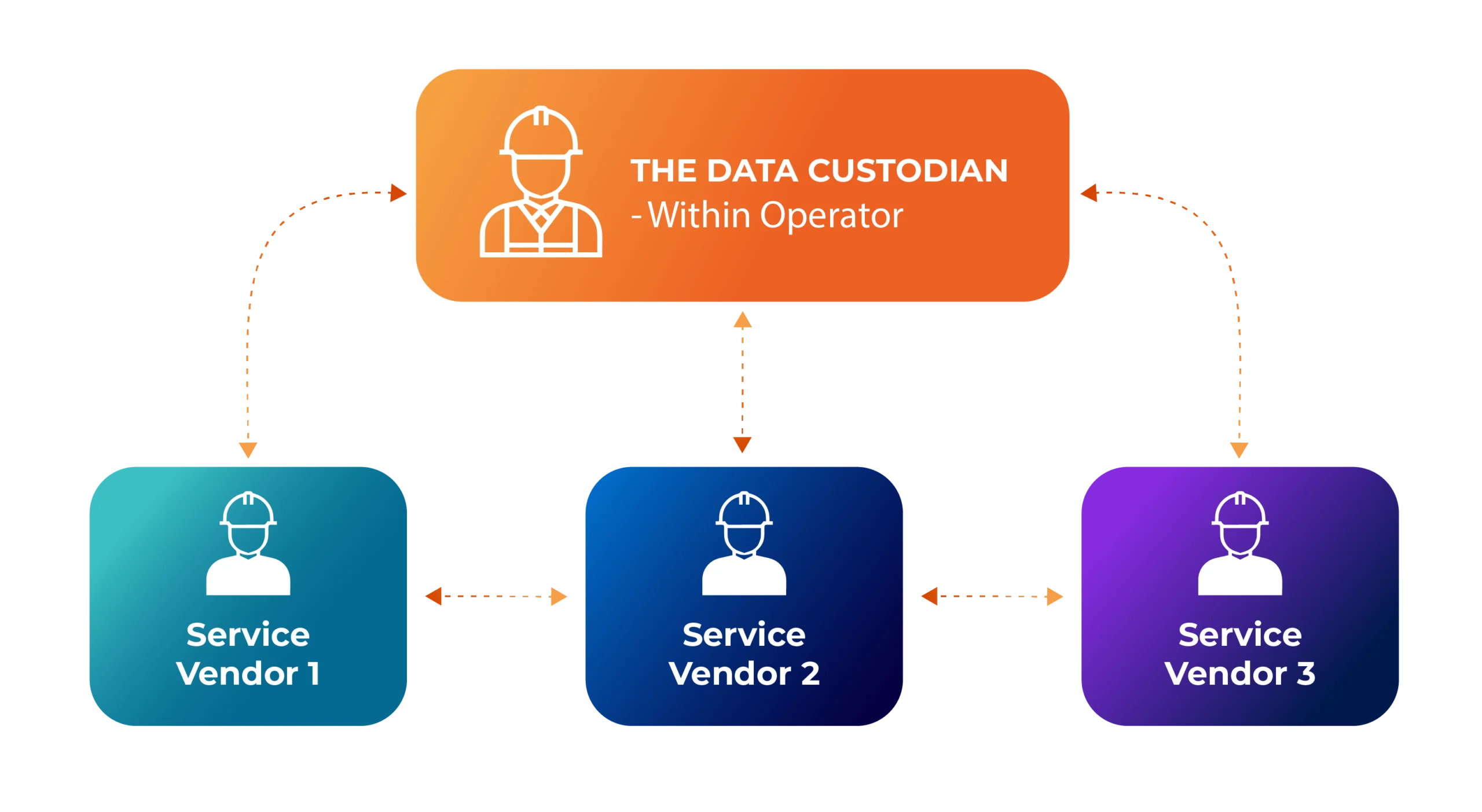
Cody concluded that the future of drilling automation depends on collaboration, data transparency, and standardization. At IPT Global, our SureTec platform helps operators connect systems, partners, and workflows to enable safer, smarter, and more efficient well delivery.
As the energy industry continues its digital transformation, data integrity and rig automation integration, and the adoption of standardized data, custodian models will form the foundation of the next generation of automated well delivery systems and well assurance intelligence.