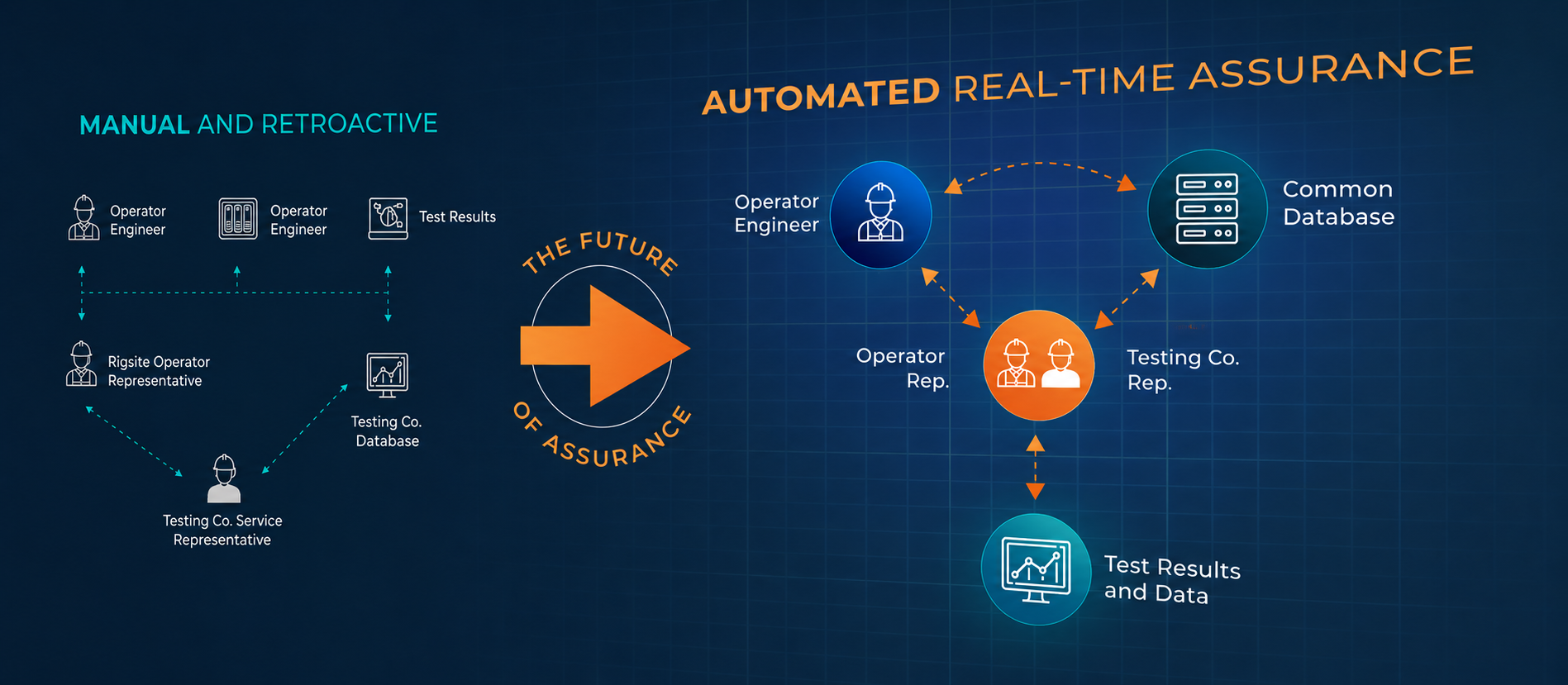
Subsea blowout preventer (BOP) soak testing is a long-standing part of pre-deployment programs. However, it remains one of the least consistently executed aspects of BOP control system evaluation. While teams perform the test routinely, they often overlook insight into stabilized pressure behavior.
Once a subsea BOP stack is deployed offshore, limited access significantly increases the cost of uncertainty. In 2023, IPT Global collaborated with Seadrill on an article published by Drilling Contractor examining the operational value of standardizing BOP soak testing and proposing a structured framework aligned with the American Petroleum Institute’s (API) Standard 53.
A subsea BOP soak test is a pressure stabilization procedure. Rigs perform it during pre-deployment testing to evaluate the integrity of the BOP control system under sustained pressure conditions. Unlike dynamic testing, soak testing allows pressures to stabilize and the system to settle into equilibrium.
During this stabilized period is when that behavior often emerges. Gradual pressure decay or inconsistent regulator response become apparent once transient effects dissipate. These conditions are not always obvious but can directly influence stack readiness and long-term system reliability.
Identifying these issues before deployment allows for investigation with limited operational impact. When teams do not identify these behaviors, they often surface during operations. At that stage, troubleshooting options are fewer and consequences are more costly.
Despite the importance of well control assurance, subsea BOP soak testing still varies across rigs, fleets, and regions. Common differences include test duration, applied pressure, acceptance criteria, and documentation practices.
In practice, this variability rarely reflects a lack of focus on safety. In IPT Global’s experience supporting pre-deployment testing, variability most often reflects legacy practices, differing OEM guidance, and misaligned acceptance thresholds. Over time, these inconsistencies make results difficult to compare and increase reliance on interpretation rather than data-driven evidence.
Standardizing subsea BOP soak testing does not mean removing operational judgment or imposing rigid procedures across all systems. Instead, it establishes a shared baseline that supports clearer execution and more consistent interpretation of results.
In the article, we discussed the operational value of more structured subsea BOP soak testing, aligned with API Standard 53. The intent was to reduce unnecessary variability while preserving flexibility across different BOP configurations.
Soak testing offers a rare opportunity to observe control system behavior once transient pressure effects have stabilized. When teams miss or inconsistently execute that opportunity, they overlook meaningful indicators of system health. API Standard 53 already serves as the foundation for subsea BOP equipment system requirements. Expanding guidance to clearly address soak testing would strengthen consistency while preserving flexibility across different system designs and operating environments.
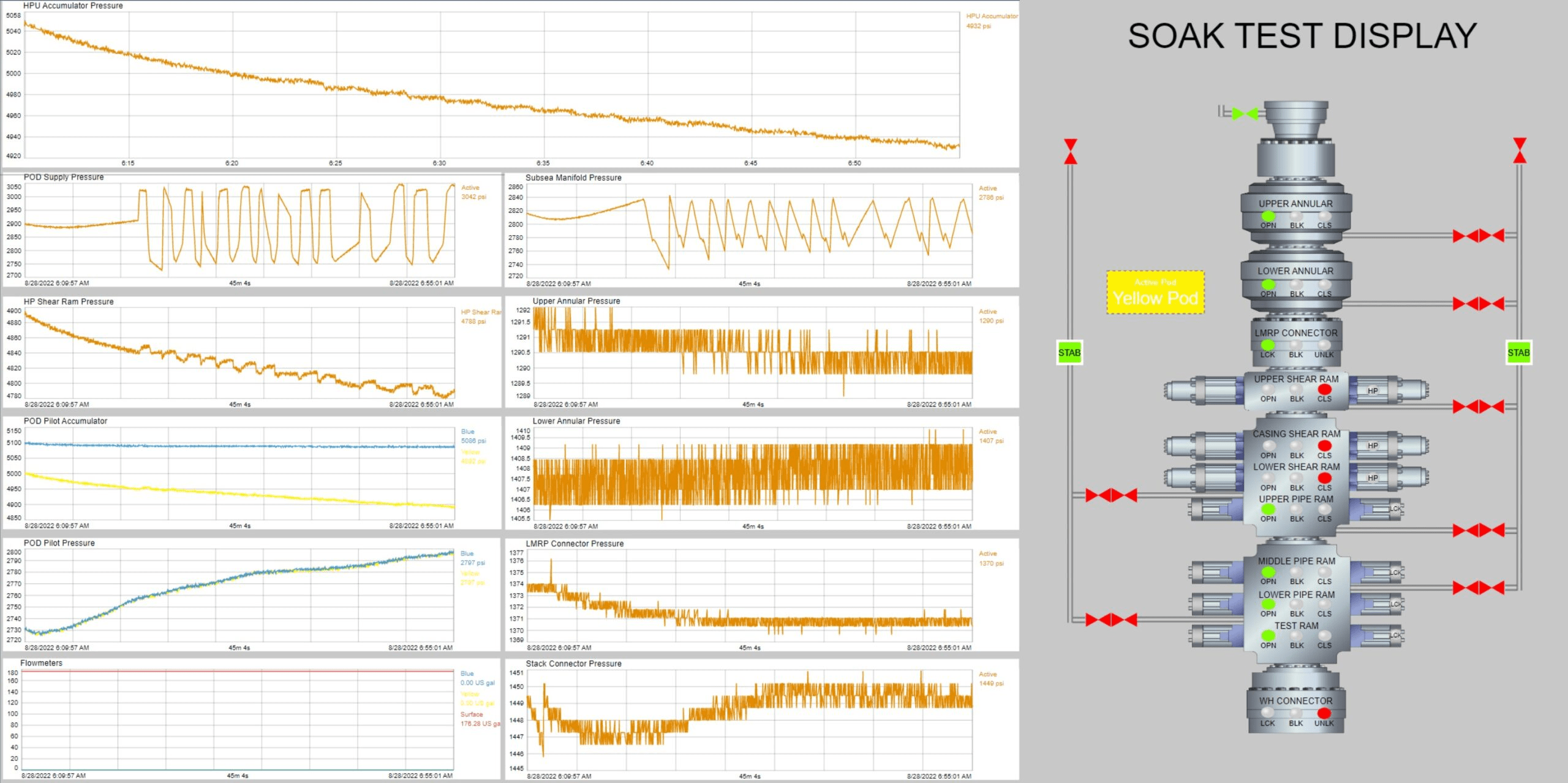
Digital pressure data enables teams to review stabilization trends directly, revealing gradual decay, irregular stabilization, and repeatable anomalies across tests.
With IPT Global’s Equipment Health Monitoring HealthAnalytics software and Monitoring service, digital diagnostics capture high-resolution pressure behavior during soak testing, enabling objective, contextual evaluation of subtle trends. Engineers in IPT Global’s Real-Time Operations Center (RTOC) monitor test data in real time and support decision-making during pre-deployment activities.
Together, our HealthAnalytics and Monitoring modules strengthen engineering judgment rather than replace it. Objective data provides a common reference point, improves alignment between operators, drilling contractors, and OEMs, and supports more confident decisions related to deployment readiness and pre-deployment assurance.
Subsea BOP soak testing delivers value through how teams evaluate results and act on them. Programs that consistently derive data-driven insight approach soak testing as part of a broader assurance process.
As subsea systems continue to increase in complexity, the ability to reduce uncertainty before deployment becomes increasingly important. Subsea BOP soak testing remains one of the few opportunities to observe control system behavior under stabilized pressure conditions.
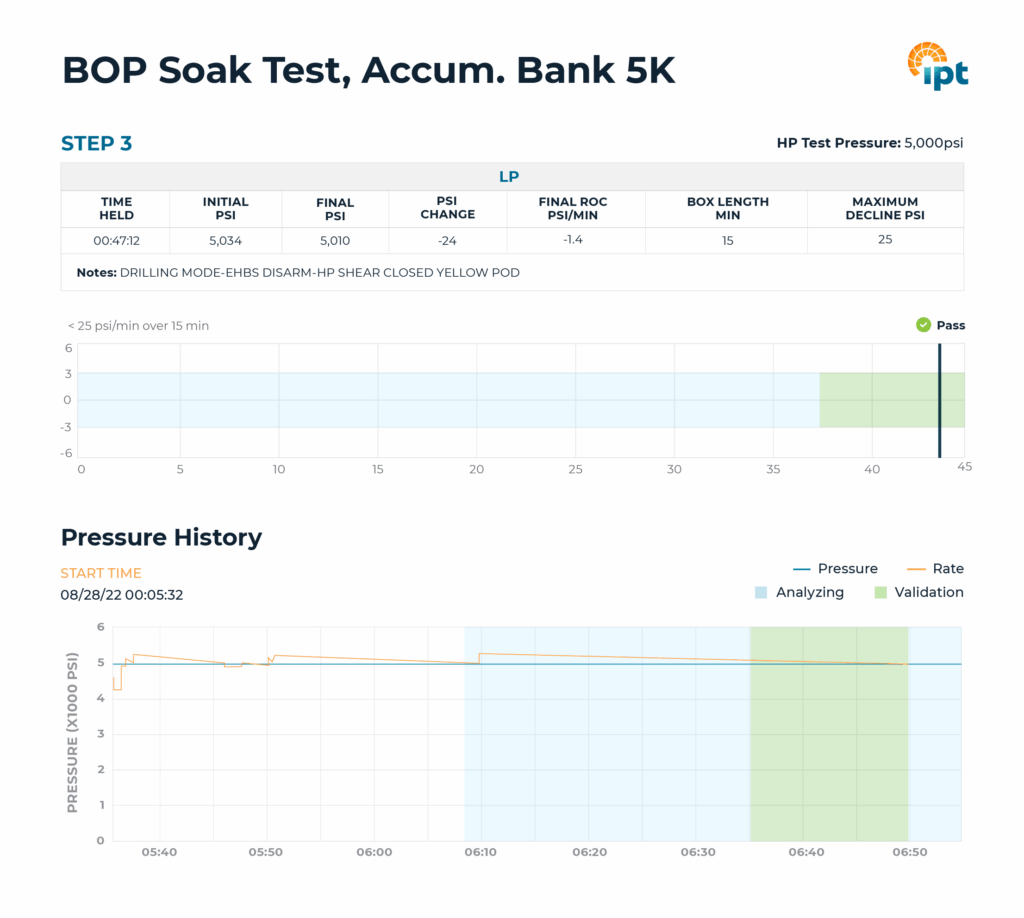
Through the SureTec® Equipment Health Monitoring solution, IPT Global applies a consistent, data-driven approach to subsea BOP soak testing during pre-deployment operations. By focusing on how control systems behave under stabilized pressure conditions, teams gain clearer insight into system performance before deployment decisions are made.
As subsea systems continue to grow in complexity, the way soak testing is executed and interpreted matters more than ever. Aligning practices with API Standard 53 provides a common framework for evaluating control system behavior, reducing unnecessary variability, and strengthening well control assurance across fleets. When teams pair that framework with objective pressure data and structured evaluation, soak testing becomes less about confirming pressure holds and more about understanding what the system is communicating before it goes offshore.
Looking ahead, IPT Global continues to advance digital software integrations that support consistent application of subsea BOP testing practices and ongoing improvement across the testing lifecycle.
For additional context, read the full article published in Drilling Contractor: Standardizing subsea BOP soak testing: overview of value and recommended best practices – Drilling Contractor by Patrick Hillard and Leonard Childers, IPT Global; and Ahmed Omar, Seadrill
Managed Pressure Drilling (MPD) systems operate under demanding conditions, where small deviations in pressure or hydraulic behavior can escalate into equipment failure, unplanned non-productive time (NPT), and increased well control risk. Traditional well control equipment testing often depends on manual interpretation, delayed reporting, and limited visibility into early degradation trends.
In this analysis of MPD equipment failure, we examine how a major offshore operator used MPD control system data and IPT Global’s Equipment Health Monitoring solution to identify the deviation pattern that preceded a Slimline Annular (SLA) element failure. The analysis shows how automated MPD failure analysis and equipment health workflows can reveal early indicators of annular wear long before visible damage.
The operator experienced an unexpected failure of the Slimline Annular (SLA) element on the Integrated Rise Joint (IRJ) after less than two months of deployment and only 13 closures. During retrieval, the rig team discovered large pieces of degraded rubber in the trip tank and on top of the wear bushing.
The failure resulted in more than 250 hours of NPT. While the root cause was established through a lengthy investigation by the Original Equipment Manufacturer (OEM), the operator wanted to determine whether early indicators were present in the MPD control system data and if digital analysis could have detected the problem sooner.
This case raises two key questions for the operator:
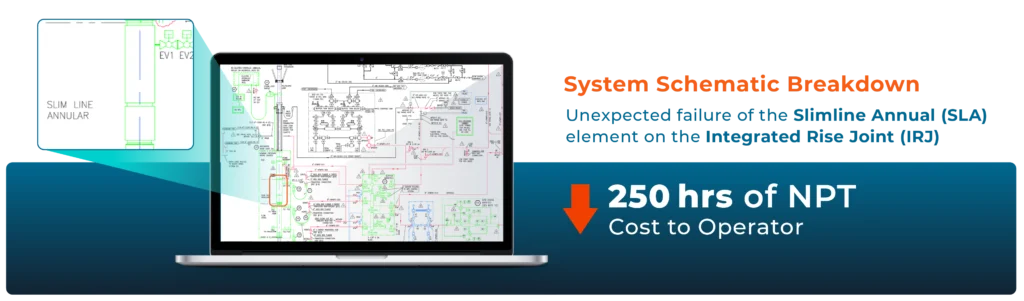
Figure 1. IPT Global’s MPD Equipment Health Monitoring dashboard enabled the operator to analyze annular pressure response trends and identify early signs of Slimline Annular (SLA) element degradation ahead of failure.
During a technology review, the operator approached IPT Global to evaluate whether digital real-time and MPD integrity management analytics could better support early detection of equipment degradation. They tested whether IPT Global’s Equipment Health Monitoring HealthAnalytics module could analyze MPD control data without context, manual tagging, or event descriptions.
To create a blind test, the operator provided a set of sanitized CSV files from the Transocean drillship MPD system; the files contained only raw time-series data from the SLA subsystem. Using this data set, IPT Global evaluated whether HealthAnalytics could pinpoint the failure window and detect the signal patterns that occurred beforehand.
IPT Global prepared the files, reformatted them, and ingested them into the Equipment Health Monitoring system. This software uses model-driven workflows designed for well control equipment testing, MPD failure analysis, and condition-based monitoring. It evaluates pressure response, hydraulic behavior, and closure performance to identify changes that indicate abnormal equipment performance or early-stage degradation.
Within minutes of data ingestion, the system flagged unusual pressure and hydraulic patterns inconsistent with expected annular behavior. IPT Global engineers ran multiple analysis modes over the next 48 to 72 hours to validate the signal patterns. Ultimately, the results consistently pointed to the same failure window later confirmed by the operator and the OEM.
Key outcomes
The analysis identified a distinct deviation in the annular element’s pressure and hydraulic response with progressive wear. Importantly, this pattern was detectable days before the failure became visible.
“With IPT Global’s Equipment Health Monitoring, we saw in two days what took months to uncover,” said the operator’s Senior Advisor of Rig Systems. “That’s the kind of insight that changes how you think about equipment monitoring.”
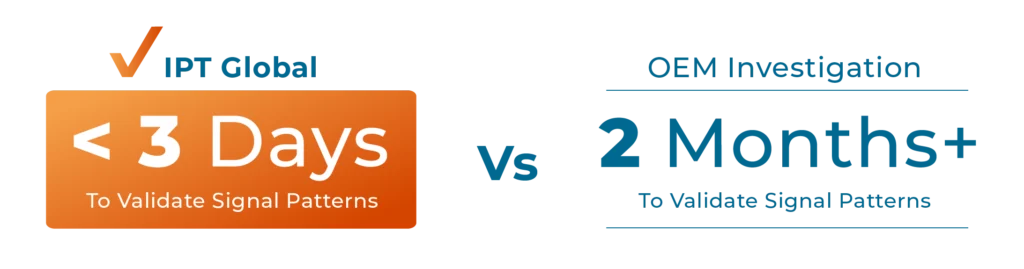
Figure 2. IPT Global’s MPD integrity workflows support proactive, data-driven condition monitoring that reduces NPT and improves equipment assurance.
This case demonstrates how digital MPD integrity management testing can improve operational reliability and reduce NPT. By tracking baseline trends and small deviations, operators can detect MPD equipment wear early and improve maintenance and risk decisions.
IPT Global continues to expand its condition-based monitoring and predictive analytics for MPD systems, strengthening well control readiness, accelerating fault detection, and supporting a more proactive approach to equipment assurance.
Well integrity is fundamental to safe and efficient oil and gas operations. It refers to the ability of well barrier elements (WBEs) to prevent uncontrolled fluid flow from the reservoir to the environment. Maintaining the reliability of these barriers is essential for minimizing risk, avoiding costly incidents, and ensuring long-term sustainability.
Across the well lifecycle, from drilling and completion through production and intervention to plug and abandonment (P&A), each phase presents challenges that can compromise integrity. As wells age, equipment and materials degrade, operating conditions shift, and the potential for failure increases.
Ensuring integrity over decades requires centralized data management and full lifecycle visibility. Today, more than ever, Artificial Intelligence (AI)-driven analytics help detect, predict, and prevent issues before they escalate.
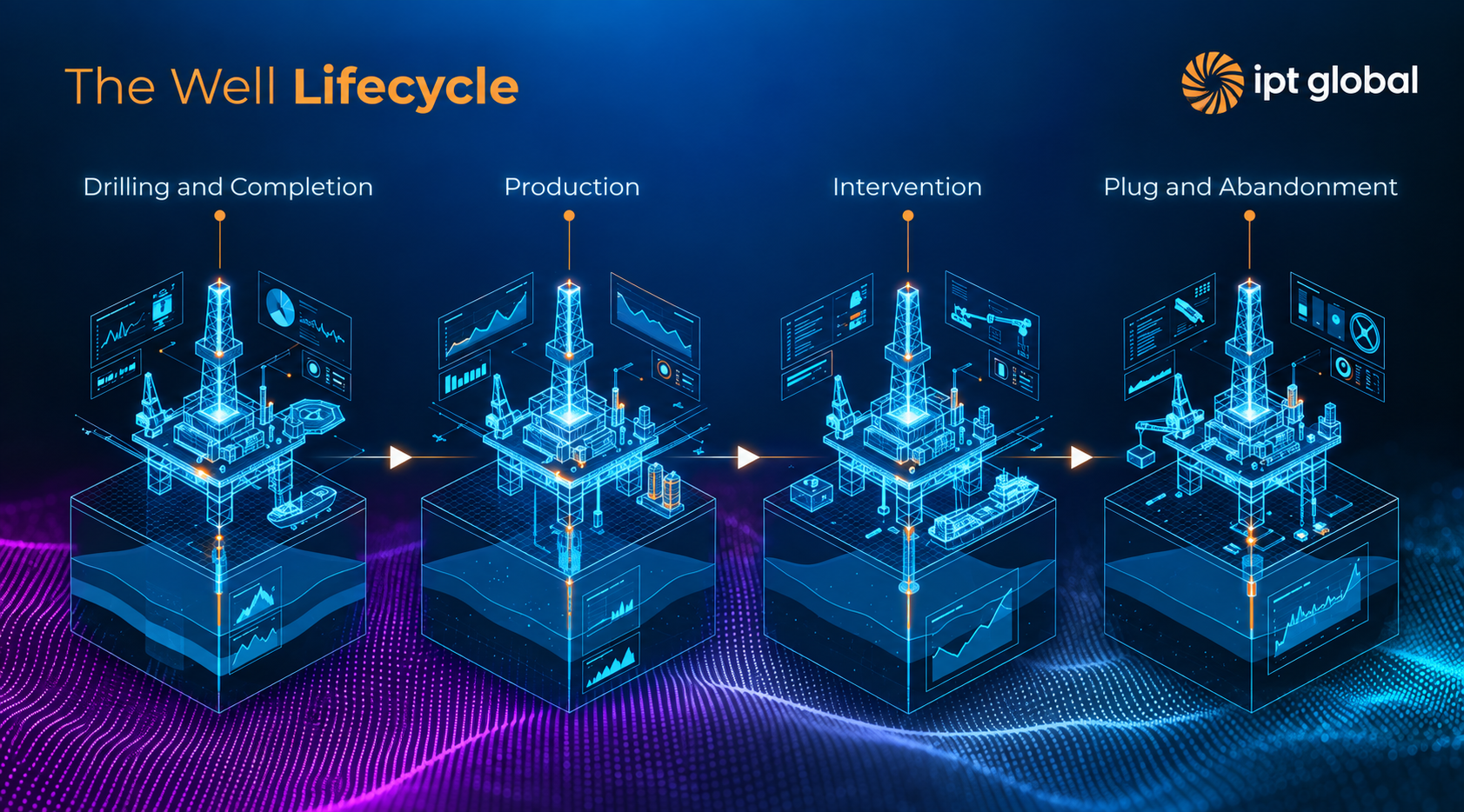
Historically, well integrity management has been fragmented across disciplines and vendors. Data from testing, inspection, and maintenance often resides in separate systems, limiting visibility and slowing response times. Inconsistent documentation and handovers between drilling, production, and abandonment teams create knowledge gaps that can lead to operational and safety risks.
Today’s operators face increasing regulatory scrutiny, growing environmental expectations, and ongoing cost pressures. Managing well integrity across the lifecycle is no longer just about compliance; it is about achieving continuous assurance and operational efficiency through intelligent, connected systems.
AI is transforming how the oil and gas industry approaches well integrity. As a result, modern well integrity software such as IPT Global’s SureTec® uses AI-driven analytics to convert large volumes of operational data, including pressure tests, sensor readings, maintenance logs, and inspection reports, into actionable results.
SureTec solutions incorporating AI models can:
With AI-enhanced reporting and visualization, IPT Global engineers can identify trends across hundreds of wells, verify barrier status in real time, and prioritize interventions that reduce risk and downtime.
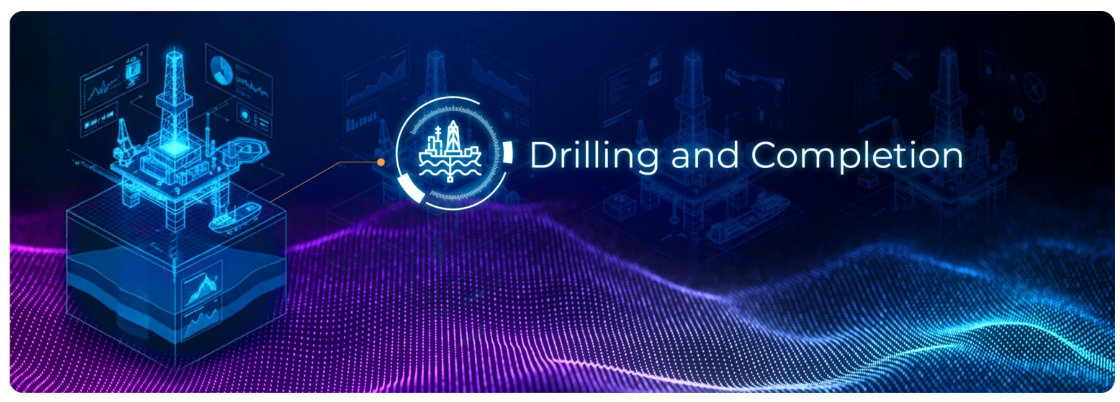
The foundation of well integrity begins with precise barrier verification and documentation. During construction, digital wellbore diagrams, automated test planning, and AI-assisted validation ensure that well barrier elements (WBEs) meet design standards. In addition, AI tools evaluate pressure test data using trend analysis and rate-of-change modeling to objectively confirm test outcomes. IPT Global’s SureTec platform provides integrated tools to accomplish this, through the WellSchematic and BarrierManagement and PressureTesting solutions.
This phase benefits from centralized cloud storage and approval workflows, ensuring regulatory traceability and efficient collaboration between the operator, service companies, and regulators.
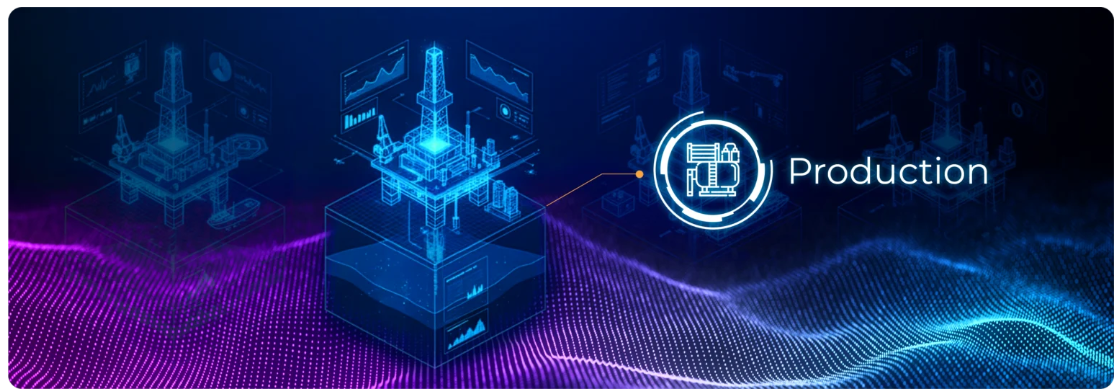
Meanwhile, during production, operators must balance maximizing output with sustaining barrier integrity. AI-driven well lifecycle management systems consolidate real-time data from sensors, inspections, and historical reports to continuously assess the status of well barriers and envelopes.
By combining analytics and predictive modeling, production teams can detect corrosion, erosion, or equipment wear before they compromise safety. This intelligence supports decisions on workovers, interventions, or decommissioning, reducing unplanned shutdowns and ensuring regulatory compliance across operations. IPT Global’s SureTec platform provides integrated tools to accomplish this, through the WellSchematic and BarrierManagement and PressureTesting solutions.
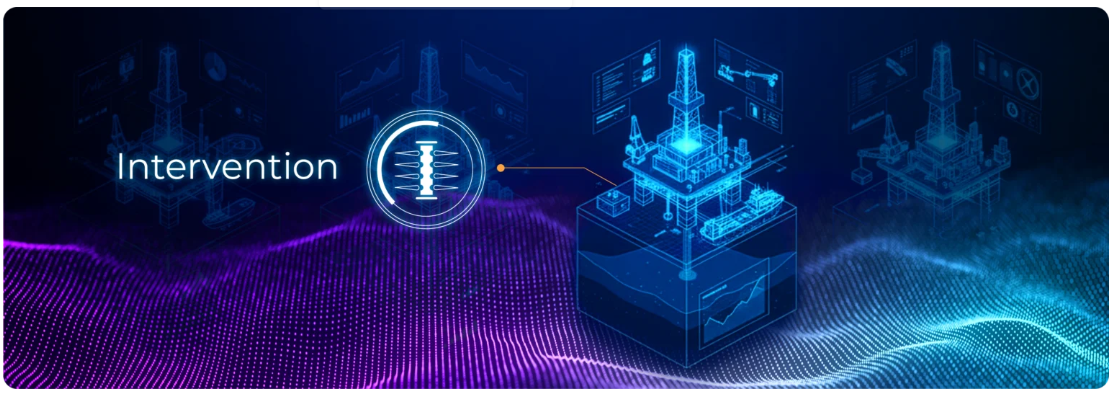
Workovers and interventions introduce added complexity with multiple crews, shorter timelines, and simultaneous testing. AI-enabled multi-test monitoring allows teams to track test results in real time and automatically flag deviations.
This approach improves the efficiency of barrier verification while maintaining full traceability. With consistent data flow from intervention to production, teams gain visibility into all well integrity tests, ensuring operational continuity and regulatory compliance. IPT Global’s SureTec platform provides integrated tools to accomplish this, through the WellSchematic, PressureTesting, and Equipment Health Monitoring solutions.
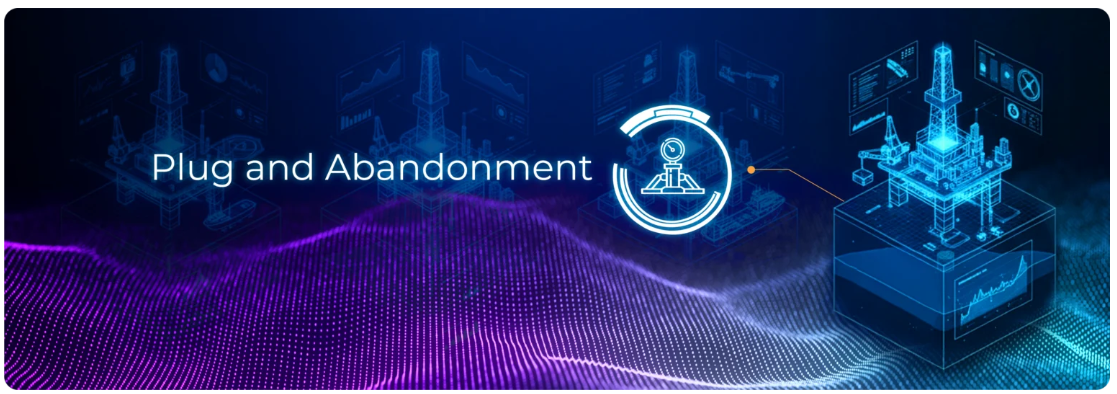
In the final stage of the well lifecycle, the goal shifts from production optimization to environmental safety and regulatory compliance. Regulations vary globally, but all require thorough documentation of barrier verification and abandonment procedures.
AI-powered well integrity software aggregates historical WBE data, providing a complete picture of each barrier’s condition before, during, and after abandonment. Predictive analytics can detect defective cement, corrosion pathways, and equipment weaknesses before P&A operations begin. IPT Global’s SureTec platform provides integrated tools to accomplish this, through the WellSchematic and BarrierManagement, PressureTesting, and Equipment Health Monitoring solutions.
This data-driven approach supports a safe, verifiable, and auditable abandonment process, reducing risk and ensuring long-term environmental protection.
Across every phase, data is the foundation of well integrity management. Modern platforms integrate real-time testing data, historical maintenance records, and regulatory reports into a single unified view.
IPT Global’s advanced reporting and analytics capabilities, powered by AI, allow teams to:
By connecting data from drilling and production through abandonment, operators gain insight into well health across the full lifecycle, empowering proactive decision-making and improving safety performance.
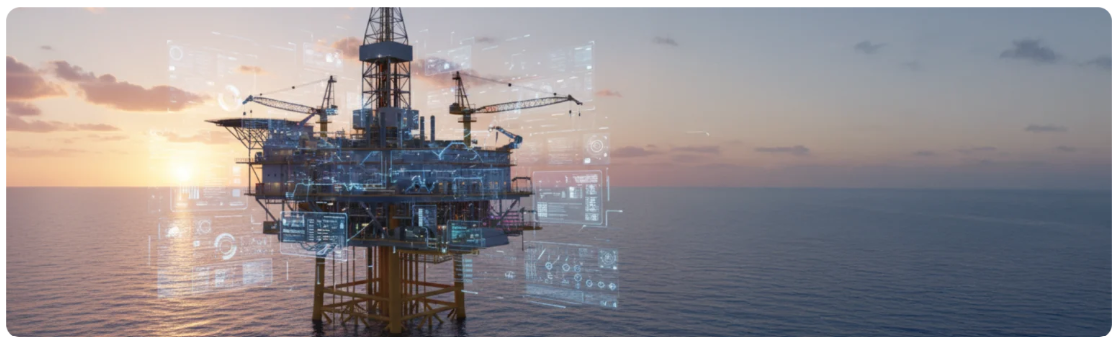
Managing well integrity across the full lifecycle of a well is complex, but AI and data-driven insights are making it more predictable, transparent, and efficient than ever before.
By integrating AI-driven analytics, centralized data management, and intelligent reporting, operators can sustain well integrity, reduce non-productive time (NPT), and ensure environmental and regulatory compliance from drilling to abandonment. The future of well integrity lies in connected intelligence, where data, technology, and expertise converge to protect assets, people, and the planet.
As operators continue to evolve their approach to well integrity management, integrating new technologies like AI-driven analytics is key to sustaining well integrity over time. Yet, the fundamentals of sound barrier design, verification, and maintenance remain just as critical.
For a further look at how these well integrity principles apply across drilling, production, intervention, and abandonment, read our article Managing Well Integrity Over the Entire Well Lifecycle.
At the International Association of Drilling Contractors (IADC) Advanced Rig Technology (ART) Conference, IPT Global Chief Technology Officer Cody MacDonald explored the future of drilling automation in oil and gas, emphasizing how data integration between service providers is becoming essential to safer, more efficient rig operations and well integrity management.
As a leader in well assurance intelligence, IPT Global helps operators and drilling contractors strengthen well integrity, improve visibility, and make more confident decisions to achieve greater efficiency from spud to completion.
One of the most significant barriers to effective automation is siloed operational data systems. Many rigs rely on multiple third-party service vendors, each with independent automation tools that rarely exchange data reliably or communicate in real time. This challenge is common across automation in oil and gas, where interoperability underpins digital efficiency.
Through IPT Global’s collaboration with a global super major, Cody showed how the SureTec platform connects service providers through integrated systems, enabling the secure transfer of well integrity data. This unified data approach is essential for optimizing performance in drilling automation and achieving true rig data interoperability across the entire well lifecycle.
Automation in drilling isn’t only a software problem — it’s also about hardware readiness. Certain tasks, like digital pressure testing, can’t be fully automated unless rigs are equipped with actuated sensors positioned correctly on choke manifold valves.
Ultimately, successful rig automation depends on synchronization between physical infrastructure and intelligent digital systems. Software alone can’t deliver consistent, safe results without the right instrumentation in place.
Moreover, Cody cautioned that automation implemented without strong data governance and quality assurance control can have the opposite of its intended effect. In such cases, poorly designed systems or fragmented drilling data management practices may amplify errors instead of reducing them.
To prevent this, operators should:
Operator data ownership remains one of the industry’s most critical challenges. From spud to abandonment, drilling data passes through multiple systems and stakeholders. Key questions include:
Cody proposed a data custodian model: an operator-driven framework that defines, governs, and enforces data standards for all service parties. This model ensures data remains accurate, accessible, and under operator control throughout the well lifecycle.
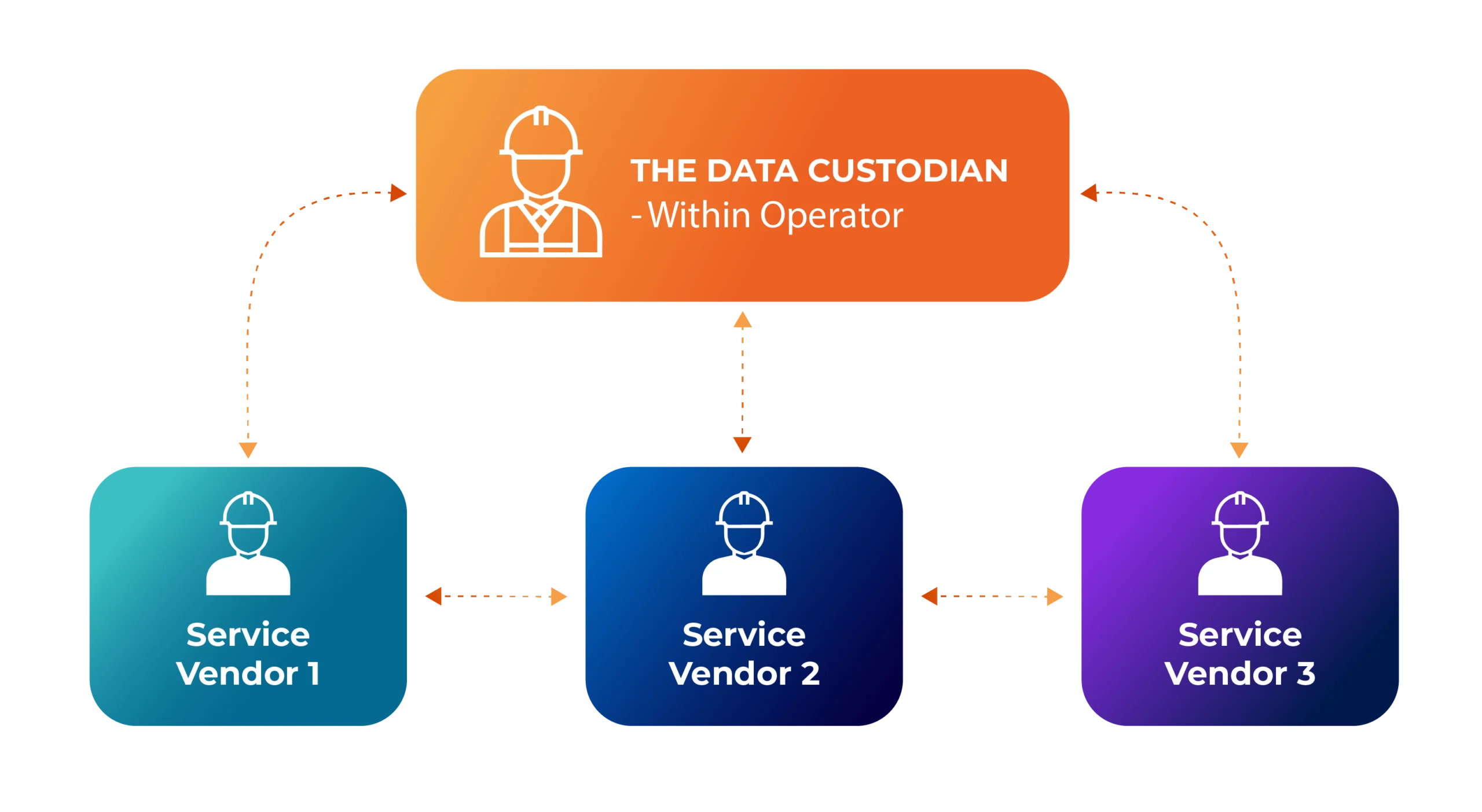
Cody concluded that the future of drilling automation depends on collaboration, data transparency, and standardization. At IPT Global, our SureTec platform helps operators connect systems, partners, and workflows to enable safer, smarter, and more efficient well delivery.
As the energy industry continues its digital transformation, data integrity and rig automation integration, and the adoption of standardized data, custodian models will form the foundation of the next generation of automated well delivery systems and well assurance intelligence.
In this Drilling Contractor article, IPT Global and Seadrill examine why subsea blowout preventer (BOP) soak testing remains inconsistently executed across rigs and regions, despite its role in pre-deployment assurance. Differences in test duration, pressure levels, and acceptance criteria often stem from legacy practices and varying OEM guidance rather than a lack of focus on safety.
The authors propose a framework aligned with API Standard 53 to establish a shared testing baseline, paired with digital pressure data to catch subtle issues, like gradual decay or irregular regulator response, before deployment, when troubleshooting is far more difficult. IPT Global’s SureTec® Equipment Health Monitoring solution and Real-Time Operations Center (RTOC) support this kind of objective, data-driven evaluation during pre-deployment testing.
Read the full article: Standardizing subsea BOP soak testing: overview of value and recommended best practices by Patrick Hillard and Leonard Childers, IPT Global; and Ahmed Omar, Seadrill