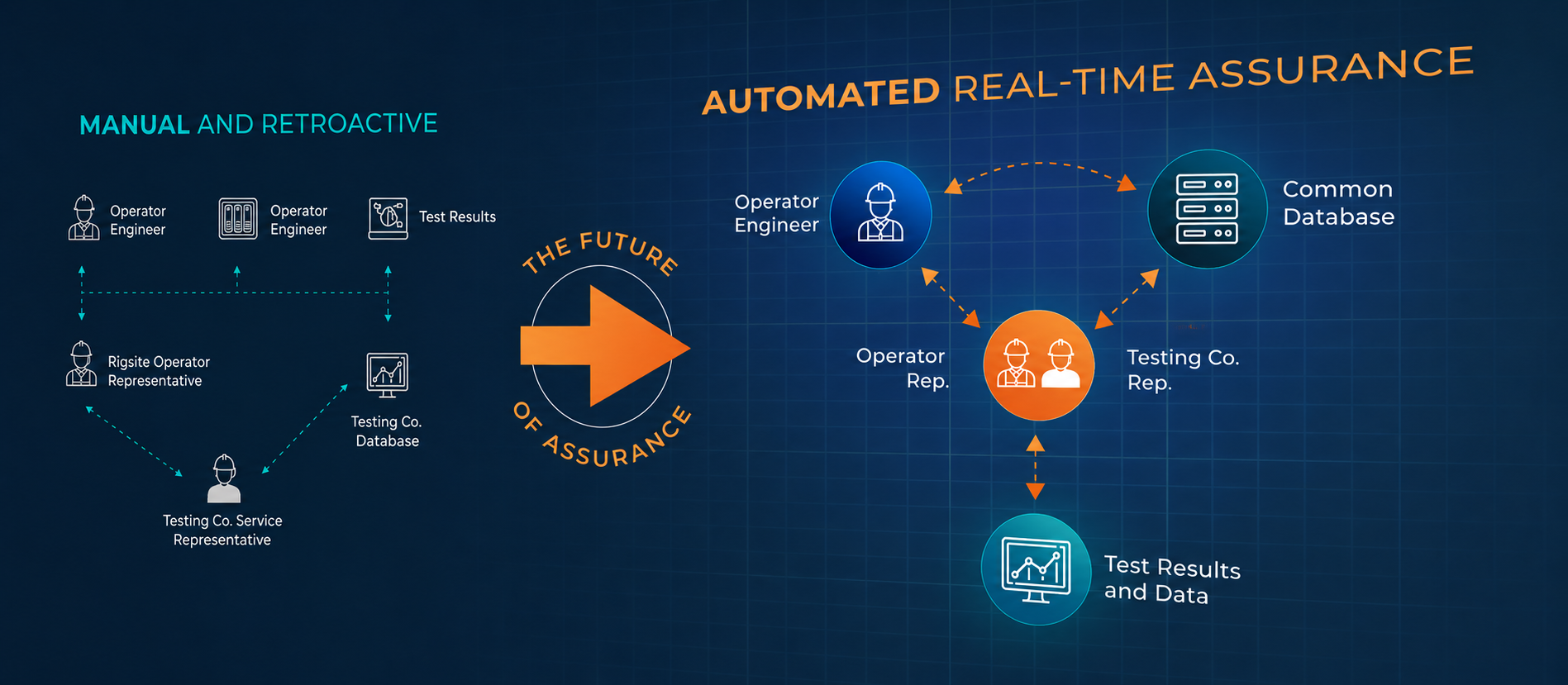
IPT Global, the pioneer and recognized global leader in digital well assurance solutions and associated advisory services to the oil and gas industry, today announced that it has received official approval from the Bureau of Safety and Environmental Enforcement (BSEE) to serve as primary validation provider of inflow tests in the Gulf of America (GoA).
This approval is the first of its kind and marks a major milestone for IPT Global and the broader offshore industry.
The multi-year approval process included direct engagement with BSEE, detailed technical evaluations, and close collaboration with six offshore operators. As part of the validation pathway, IPT Global also completed a multi-month independent review conducted by DNV to support the use of SureTec® for inflow test validation. In addition, the IPT Global team conducted multiple training sessions with BSEE engineers and inspectors to ensure full alignment on procedures, regulatory expectations, and compliance requirements, reinforcing the technical rigor and transparency behind this approval.
This designation establishes IPT Global as the first approved provider for primary validation of inflow tests in the GoA, setting a new benchmark for independent validation and regulatory collaboration in offshore operations.
See our announcement in the May/June 2026 edition of Drilling Contractor Magazine.
For media enquiries or additional information about IPT Global, please contact [email protected].
In a controlled offshore field trial, a major operator evaluated two competing approaches to BOP pressure testing and well barrier verification on sister drillships in the Gulf of America. The objective: determine which solution delivered faster, more accurate validation of well control equipment performance.
Traditional predictive analysis methods, commonly used in pressure decline analysis, rely on assumed coefficients rather than actual test data. This introduces uncertainty in well barrier testing, especially in complex subsea environments.
Operators required a solution that could:
IPT Global deployed its SureTec® PressureTesting Solution, a digital pressure testing software with a patented advanced analysis engine that leverages thermally compensated leak detection (TCLD).
Unlike conventional methods, TCLD:
This approach aligns with modern barrier management software strategies and supports BOP real-time monitoring across offshore operations.
Field trial results confirmed a clear performance advantage:
The operator concluded that SureTec PressureTesting provided superior efficiency and assurance in subsea BOP testing and overall well control equipment performance. This resulted in the operator changing their digital pressure testing provider from a competing company to IPT Global across all offshore operations.
As the oil and gas industry moves toward digital transformation, relying on assumption-based models is no longer sufficient. Advanced analytics provided through IPT Global’s SureTec platform deliver:
For operators seeking to optimize bop testing, well barrier element pressure tests, and inflow pressure testing, adopting real-time, data-driven analysis is critical.
Predictive models estimate. IPT Global validates.
In offshore drilling, BOP testing is a critical component of well barrier assurance. However, inconsistent processes across rigs can lead to incorrect line-ups, missed tests, and operational risk. This case study examines how the IPT Global Service Delivery Team supported an operator to improve BOP testing performance across a five-rig fleet in the Gulf of Mexico using SureTec® PressureTesting.
Across a five-rig fleet operating in the Gulf of America, incorrect line-ups (sometimes known as misalignments) during BOP tests occurred up to 60% of the time. The potential of executing BOP pressure tests with these errors increased safety risk and decreased operational efficiencies. The difference across rigs wasn’t equipment or operator. It was the consistency of the application of the well barrier assurance testing process by rig crews. The operator requested IPT Global’s support across the fleet to ensure a common baseline performance level was maintained across the rigs.
In offshore drilling operations, performance gaps between similar rigs working together with the same operator are common. Crew experience, familiarity with procedures, and operational maturity all vary. What doesn’t vary, however, is the consequence of a missed well barrier test. Incorrect line-ups undetected during BOP testing can leave critical components untested, create regulatory and environmental exposure, and compound into costly rig downtime.
To help establish a standardized approach, the IPT Global Real-Time Operations Center (RTOC) conducted a fleet-wide analysis of all BOP pressure tests over the course of one year. The results illustrate both the scale of the problem and the value of a consistent, technology-backed assurance framework, regardless of individual rig performance.
A fleet-wide analysis of 76 BOP pressure tests highlights both the scale of incorrect line-ups and the impact on offshore drilling performance.
When results are broken down by rig, the variance is stark and highlights a critical point: performance is driven by the consistent application of robust processes and assurance.
| Rig | No. of BOP Tests | Tests with Incorrect Line-ups | Missed Incorrect Line-ups Detected by RTOC | Lost Time (min) |
| Rig A | 17 | 59% | 5 tests (29%) | 270 |
| Rig B | 18 | 56% | 3 tests (17%) | 165 |
| Rig C | 8 | 13% | — | 5 |
| Rig D | 20 | 5% | — | 8 |
| Rig E | 13 | 0% | — | 0 |
The rigs with the lowest incorrect line-up rates share a common thread: a standardized, familiar process developed or supported by the IPT Global Service Delivery Team. Rig C operates with a full-time IPT Global Field Advisor supporting BOP testing execution and well barrier assurance processes embedded with the crew. The one incorrect line-up it recorded during the year was caught immediately by that IPT Global team member. Rig D had IPT Global Field Advisors on location for an extended period who helped build simplified, consistent test plans; the crew became deeply familiar with those plans, and the data reflects it. Rig E recorded zero incorrect line-ups across all 13 tests.
Rigs A and B tell a different story. Rig A recorded a total of 15 incorrect line-ups during BOP testing operations. This was the highest in the fleet and impacted 59% of its BOP tests, with the frequency trending upward as the year progressed. Rig A’s crew had recently been blended from two different drilling contractors, introducing unfamiliarity. IPT Global Field Advisors were not present onboard for BOP testing, though the IPT Global Service Delivery Team remotely identified five incorrect line-ups that were undetected by rig personnel. This accounted for three and a half hours of intervention time that would otherwise have resulted in undetected deviations.
Rig B showed a persistent failure at a specific test step with incorrect line-ups occurring in 56% of all tests, traceable to an incorrect cementer line-up that went uncorrected over multiple test cycles.
This is not a story about which rigs have better crews or stronger safety cultures. It is a demonstration of what happens when a standardized well barrier assurance and BOP testing process is applied consistently across a fleet, and what happens when it isn’t.
Every rig has its own dynamics: crew experience, contractor mix, familiarity with test plans, and operational culture and tempo. IPT Global does not override these dynamics. Instead, the SureTec PressureTesting software provides a standardized well barrier assurance framework for BOP testing, combining real-time monitoring, structured verification processes, and field expertise that operates independently of them.
Where a rig is already performing well, this approach reinforces and documents the behavior. Where performance is inconsistent, it identifies deviations early, before they become compliance events, safety incidents, or compounding downtime.
The data makes this clear. The eight incorrect line-ups missed by onboard crew but detected through real-time monitoring and structured BOP testing verification via PressureTesting and the IPT Global RTOC were identified through a consistent, structured process combining volume benchmarking, step-by-step checklist verification, and direct communication protocols, applied consistently and independently of rig floor activity.
Operators managing multiple assets simultaneously in offshore drilling operations face these same challenges at a larger scale. Performance varies, crews turn over, and experience levels differ. While a fleet-wide assurance program like SureTec PressureTesting does not remove these variables, it does establish a consistent baseline, ensuring performance gaps do not go undetected.
The rigs that performed best were not immune to incorrect line-ups. They were simply better equipped through familiarity, simplified plans, and consistent oversight to prevent or catch them early. IPT Global’s role is to extend that level of performance across the entire fleet, not just to those that have benefited from time and continuity.
A standardized approach to well barrier assurance is not a substitute for good rig culture. It is the mechanism that ensures good practice is applied consistently, regardless of where any individual rig sits on the performance curve.
Looking to improve BOP testing performance or strengthen your well barrier assurance processes? Contact IPT Global to implement a standardized, pressure testing and real-time monitoring framework across your offshore drilling fleet.
During a routine offshore BOP stump test, standard validation indicated acceptable results with no clear signs of failure. Pressure readings were stable, no alarms were triggered, and the system met conventional pass criteria.
However, traditional BOP pressure testing is designed to detect leaks, not subtle emerging issues. In this case, the system would likely have been cleared for deployment with an undetected integrity risk.
SureTec® PressureTesting TestEngine utilizing advanced leak detection analysis. Rather than relying solely on pass/fail thresholds, this approach evaluates:
This deeper analysis identified a subtle but consistent degradation in pressure trend; behavior inconsistent with a fully sealed system and easily overlooked using conventional methods.
Following the analysis:
By shifting the focus from “Did the test pass?” to “Does the data behave like a truly sealed system?”, the TestEngine analysis uncovered a developing leak that would have otherwise gone unnoticed. Early leak detection enabled proactive intervention, delivering measurable value:
This case reinforces a critical insight into traditional well control operations: passing a BOP pressure test does not guarantee system integrity. Subtle leaks can evade standard validation methods, progress under real operating conditions, and lead to high-impact offshore failures if left undetected.
By moving beyond pass/fail testing and understanding how pressure behaves over time, operators can detect what others miss, protecting both operations and the bottom line.
Some digital pressure testing methods used in the oil and gas industry rely on predictive early data trends to draw conclusions about future performance. While these approaches may appear sophisticated, they often depend on assumptions that can be misleading. In safety-critical operations, the consequences of being wrong can be very dangerous.
At IPT Global, our approach is grounded in physics: how equipment actually behaves under pressure and an array of thermal variables. Our SureTec® PressureTesting Solution focuses on measurable system behavior rather than early-time trends and predictions, which provides greater assurance, protecting people, assets, and the environment.
During well control equipment pressure testing, a pressure decline can result from three distinct causes:
Why is this a problem? Because all three occur at the same time, and their combined effects appear as a single pressure curve making interpretation more challenging than it first appears.
Many digital pressure testing tools attempt to determine a pass or fail by observing how pressure decline slows over time. However, thermal and elastic effects naturally dominate early behavior and always attenuate. This early stabilization can create the appearance of improvement even when a real leak is present.
In short, early-time prediction alone does not confirm integrity, but rather introduces uncertainty at precisely the point where certainty is required.
Rather than predicting what might happen, IPT Global’s PressureTesting Solution models how a leak-free system should behave. We account for normal pressure changes caused by temperature and equipment expansion, establish a physics-based fingerprint for a healthy system, and evaluate subsequent tests against that baseline to identify true integrity failures.
Our focus is on delivering accurate, objective digital pressure testing results. In practice, that means fewer assumptions and clearer answers during the test itself. Instead of relying on trend-based prediction, we ask a more fundamental question: Does the observed behavior match that of a leak-free system?
A major offshore operator evaluated IPT Global’s physics-based PressureTesting Solution against a competing predictive pressure testing solution using real subsea BOP test data, including tests with confirmed visible leaks.
IPT Global correctly identified every known failure. The predictive solution, however, incorrectly passed multiple tests, including some with confirmed visible leaks.
A false pass, indicating equipment integrity when a failure exists, can expose operations to safety risks, environmental damage, unplanned downtime, and reputational harm.
Ultimately, when people, assets, and the environment are on the line, uncertainty should never be mistaken for insight. Physics-based analysis replaces assumption with understanding and delivers the confidence that safety-critical decisions demand.
If we all had one magical wish, many of us would choose the ability to see into the future—pick the right lottery numbers, avoid costly mistakes, or prevent accidents before they happen. But we don’t have that luxury. We never have.
Yet in well control equipment pressure testing, the industry relies on methods that attempt to predict future outcomes based on early-time trends. That raises an important question: why would we base assurance of critical safety barriers on a guess?
During BOP and Well Barrier Element (WBE) pressure tests, pressure decline is driven by three distinct physical mechanisms:
Only one of these—the integrity failure—is the condition we are trying to detect. The other two are benign, expected behaviors.
Mathematically, the observed pressure change can be expressed as:
ΔPObserved = ΔPThermal + ΔPElastic Expansion + ΔPIntegrity Failure
Each mechanism produces a unique pressure signature. In real operations, these signatures are superimposed, producing the single pressure curve we observe during a test. Accurately interpreting that curve requires understanding—and accounting for—these physical effects, not overlooking them.
Predictive analysis methods attempt to assess whether pressure loss is attenuating toward a leak-free system. The flaw is fundamental: thermal and elastic effects always dominate early-time behavior, and they always attenuate.
As a result, predictive methods often interpret early attenuation as improvement—creating a false sense of confidence. In early pressure test time, predictive analysis is not insight; it is inference based on incomplete physics.
There is no crystal ball. Early-time pressure test prediction is, by definition, a guess.
IPT Global does not attempt to predict the future. Instead, our PressureTesting solution with Thermally Compensated Leak Detection (TCLD) applies physics-based algorithms to establish a leak-free fingerprint for a specific BOP test configuration.
That fingerprint reflects the expected thermal and elastic response of the system. Subsequent tests on similar systems are then evaluated against this baseline to identify true integrity failures—quickly, objectively, and without relying on trend prediction.
So which approach would you trust: a black-box predictive trend or physics grounded in real behavior?
A major offshore operator compiled a dataset of more than 20 subsea BOP pressure tests from actual operations. The dataset included confirmed leaking tests—some identified visually by rig crews—and was used to evaluate both IPT Global’s PressureTesting and a competing predictive digital pressure testing solution.
The results were unambiguous:
Read that again. Predictive analysis passed tests that had already failed in the field, some with confirmed visual leaks.
These were not marginal cases or subjective interpretations. They were verified integrity failures that predictive software missed entirely—the exact outcome digital pressure testing is meant to prevent.
This is not an isolated result. Time and again, IPT Global’s physics-based PressureTesting solution has demonstrated superior accuracy by grounding interpretation in measurable system behavior rather than early-time trend speculation.
When IPT Global issues a pressure test pass, you can trust that your well control equipment or well barrier element is performing as intended.
When IPT Global issues a fail, you know you’ve identified a real problem—before it becomes a larger one.
The cost of a false pass is not just deferred downtime. It is a risk to people, assets, the environment, and the reputation of the operation itself.
SureTec PressureTesting reveals true leak signatures efficiently and objectively by isolating the physical behaviors that matter. This is not forecasting. It is physics-based, mathematically rigorous, and proven in the field where real consequences exist.
In digital pressure testing of Well Barrier Elements and Well Control Equipment, uncertainty should never be mistaken for insight. Predictive methods rely on early-time trends dominated by thermal and elastic effects, creating the illusion of improvement that disappears in late time.
IPT Global’s PressureTesting solution removes this ambiguity by accounting for all contributors to pressure decay in your specific system from the beginning of the test. The result is earlier, more reliable decisions based on understanding and proof—not a guess.
IPT Global: Industry leaders in digital pressure test accuracy and well barrier assurance.
When the operator introduced a new rig into the region, they quickly identified a performance gap in Blowout Preventer (BOP) testing. Rigs with several years of experience using IPT Global’s SureTec® PressureTesting solution consistently delivered faster and more reliable results. The new rig had not yet adopted the standardized digital pressure testing workflow required to achieve comparable performance.
The operator’s objective was to bring the new rig up to mature BOP testing performance as quickly as possible while maintaining verifiable well barrier integrity. Achieving this required shifting from variable manual processes to a consistent, documented digital pressure testing approach that reduced risk, minimized inefficiencies, and supported better operational decisions across the fleet.
IPT Global partnered with the operator to implement its PressureTesting solution, provide hands-on coaching, and establish standardized workflows. The result was a rapid improvement in safety and efficiency, with 210 documented pressure tests over the course of 14 months and significant reductions in critical path time early in the campaign.
Each well is unique, making direct comparisons in well barrier testing difficult. BOP testing provided the most practical benchmark because of its central role in safety and operational efficiency. The operator sought two outcomes: absolute confidence in barrier integrity and a reduction in high-pressure test times to minimize operational exposure and risk.
In addition, they wanted a consistent, documented pressure testing practice across the fleet, along with improved transparency between onshore support engineers and offshore execution teams. This was essential to minimize invisible lost communication time during a compressed drilling program.
IPT Global’s leading digital pressure testing software delivers accuracy, efficiency, and consistent assurance across every pressure test.
Adopting new technology requires the right expertise and support. IPT Global ensures customers maximize the value of our solutions through a unique blend of operational experience and data science. Our team combines direct rig experience with specialized software and analytics knowledge, applying technical excellence with practical execution.
IPT Global deployed field coaches to train crews in real operating conditions and ensure consistent, effective use of the software. Once training was complete, our 24/7 Real-Time Operations Center (RTOC) provided continuous support for planning, execution and oversight. IPT Global also supported the operator by embedding advisors within the wells team and providing real-time visibility across rigs, shore bases, and headquarters.
A key component of the solution was IPT Global’s PressureTesting TestPlanner module – a verification matrix developed alongside drilling engineers as they designed the test plan. TestPlanner provides assurance that every valve and component is tested to the correct pressure. Presented in a clear matrix format, it enables easy identification of optimization opportunities, such as removing unnecessary test steps and ensuring each barrier element is tested in the most efficient sequence.
All 210 pressure tests executed through the wells campaign were documented in standardized format, inclusive of all formation integrity tests (FIT) / Leak off tests (LOT), BOP tests, inflow tests, and completions testing.
Within the PressureTesting solution, pressure data can be captured from existing infrastructure such as cement units, IWOCS, or ROV systems and automatically integrated into the SureTec platform. The PressureTesting DigitalApprovals module removes the inefficiencies of chasing post-test wet signatures or waiting for email confirmations. Our RemoteView module bridges the gap between offshore execution and onshore approval, giving onshore teams real-time transparency into critical wellbore barrier verification. And with the ComplianceReporting module, each test is compiled into an auditable documentation report that can be shared with regulators and incorporated into end-of-well reporting.
A function that sets IPT Global’s SureTec platform apart is its WellSchematic solution, which provides the ability to generate wellbore and barrier schematics, providing offshore teams with clear, visual representations of the well configuration. For years, describing well configurations relied on complex plans and written instructions. IPT Global streamlines this by automatically importing data from industry-standard well planning software and offering drag-and-drop options. Through the BarrierManagement module, primary and secondary barriers can be assigned, making it easy to visualize which barrier envelope is being tested at each stage, reducing confusion and enhancing operational efficiency offshore.

Figure 1. Reduction in total BOP test duration across the campaign, from 14 hours to six hours achieved early and sustained through subsequent tests.
The most significant achievement was the reduction of the overall BOP test sequence from approximately 14 hours to just six hours, and this was achieved after only three BOP tests out of the 14 completed during the campaign. These improvements were driven by a combination of IPT Global’s technology, coaching, and the visual clarity provided by our software solutions.
At the core of this success was our Thermally Compensated Leak Detection, which reduced individual BOP test steps from 17 minutes to eight minutes, delivering more than a 50 percent saving per step. These gains were further supported by TestPlanner, which optimized test planning through our verification matrix, WellSchematic, and BarrierManagement, as well as efficiency improvements achieved through crew training and real-time operational support.
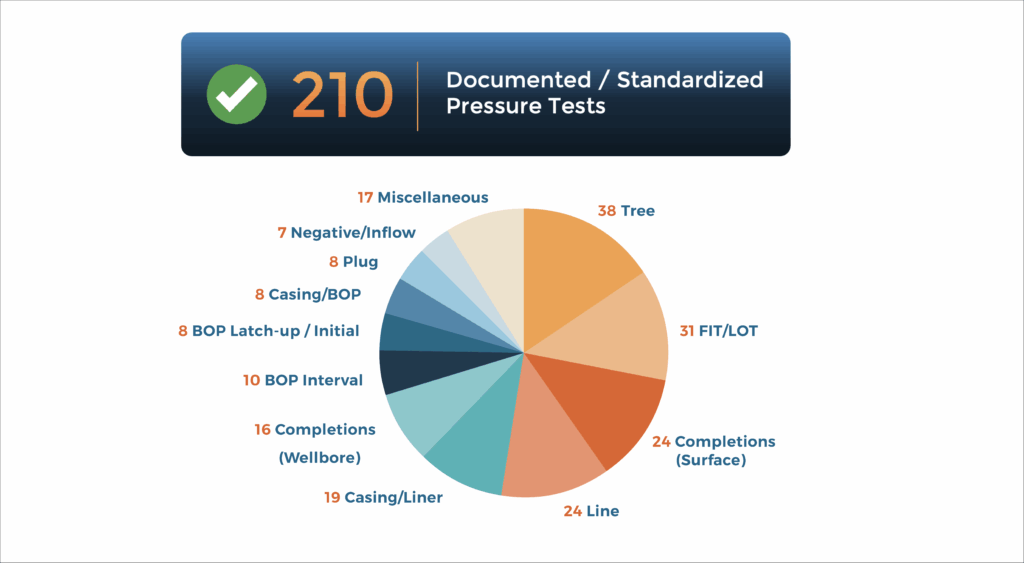
Figure 2. Breakdown of 210 documented pressure tests across the drilling and completion lifecycle, illustrating range of tests captured in standardized reports.
All tests were documented in easy-to-audit reports, ensuring compliance and transparency. While the time savings highlighted here focuses on BOP digital pressure testing, the campaign included 210 documented pressure tests covering the full cycle of drilling and completing these wells.
Importantly, IPT Global’s field coaches were removed from the rig after initial training, with the offshore crew fully supported remotely by our 24-7 Real-Time Operations Center (RTOC). This demonstrated that solution adoption and consistent high performance were embedded in the crew and sustained throughout the campaign.
IPT Global provides confidence in every test for every well by applying stringent in-house criteria, delivering faster results than traditional methods, and working collaboratively with customers to drive operational safety and efficiency. Our software ensures information flows seamlessly to the right people at the right time, while WellSchematic and BarrierManagement allow safe planning and execution ahead of operations. All of this is supported by real-time oversight from our RTOC.
Looking ahead, IPT Global will continue to advance well assurance intelligence and software integrations to make our solutions even more accessible and valuable for end users.
Well integrity is fundamental to safe and efficient oil and gas operations. It refers to the ability of well barrier elements (WBEs) to prevent uncontrolled fluid flow from the reservoir to the environment. Maintaining the reliability of these barriers is essential for minimizing risk, avoiding costly incidents, and ensuring long-term sustainability.
Across the well lifecycle, from drilling and completion through production and intervention to plug and abandonment (P&A), each phase presents challenges that can compromise integrity. As wells age, equipment and materials degrade, operating conditions shift, and the potential for failure increases.
Ensuring integrity over decades requires centralized data management and full lifecycle visibility. Today, more than ever, Artificial Intelligence (AI)-driven analytics help detect, predict, and prevent issues before they escalate.
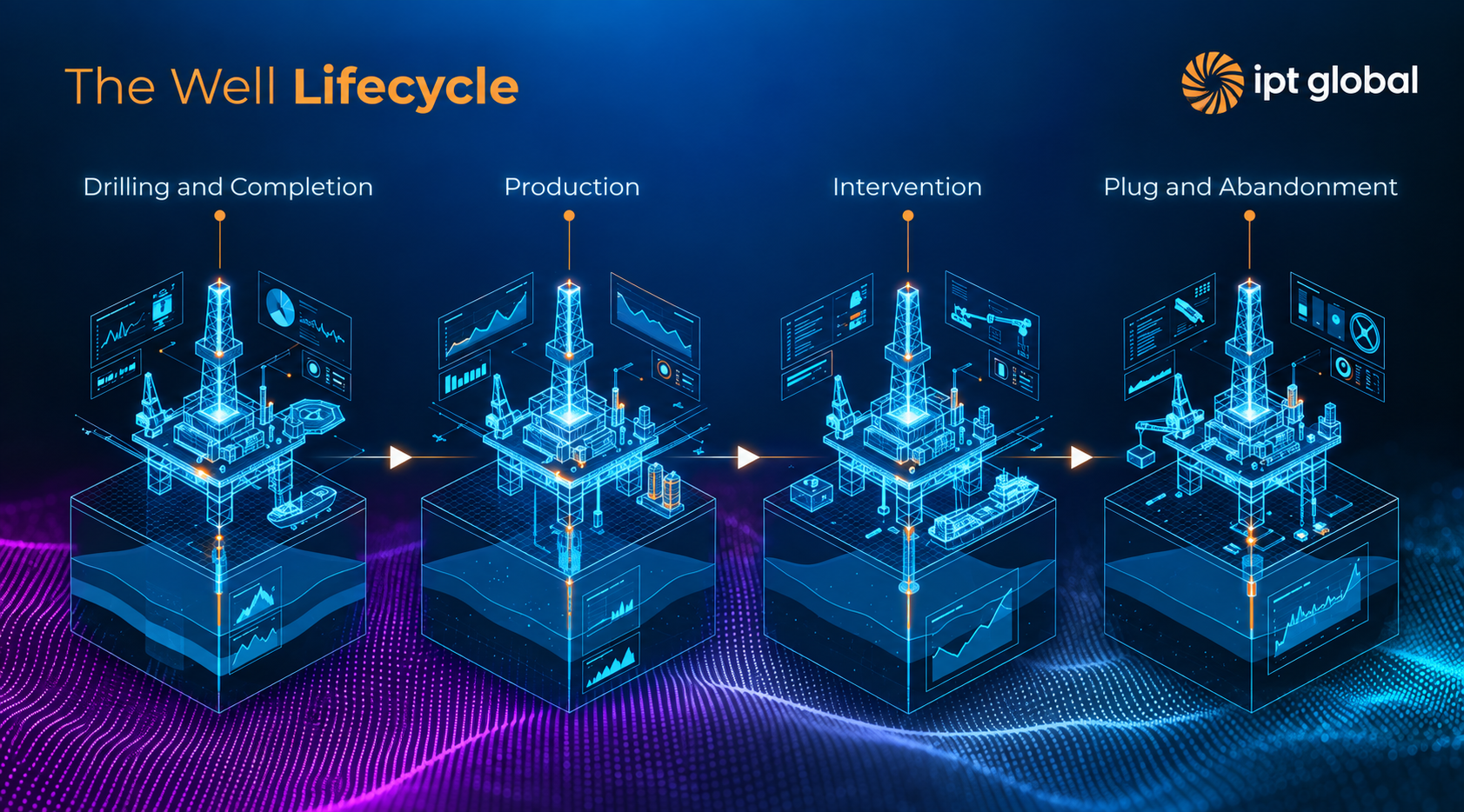
Historically, well integrity management has been fragmented across disciplines and vendors. Data from testing, inspection, and maintenance often resides in separate systems, limiting visibility and slowing response times. Inconsistent documentation and handovers between drilling, production, and abandonment teams create knowledge gaps that can lead to operational and safety risks.
Today’s operators face increasing regulatory scrutiny, growing environmental expectations, and ongoing cost pressures. Managing well integrity across the lifecycle is no longer just about compliance; it is about achieving continuous assurance and operational efficiency through intelligent, connected systems.
AI is transforming how the oil and gas industry approaches well integrity. As a result, modern well integrity software such as IPT Global’s SureTec® uses AI-driven analytics to convert large volumes of operational data, including pressure tests, sensor readings, maintenance logs, and inspection reports, into actionable results.
SureTec solutions incorporating AI models can:
With AI-enhanced reporting and visualization, IPT Global engineers can identify trends across hundreds of wells, verify barrier status in real time, and prioritize interventions that reduce risk and downtime.
The foundation of well integrity begins with precise barrier verification and documentation. During construction, digital wellbore diagrams, automated test planning, and AI-assisted validation ensure that well barrier elements (WBEs) meet design standards. In addition, AI tools evaluate pressure test data using trend analysis and rate-of-change modeling to objectively confirm test outcomes. IPT Global’s SureTec platform provides integrated tools to accomplish this, through the WellSchematic and BarrierManagement and PressureTesting solutions.
This phase benefits from centralized cloud storage and approval workflows, ensuring regulatory traceability and efficient collaboration between the operator, service companies, and regulators.
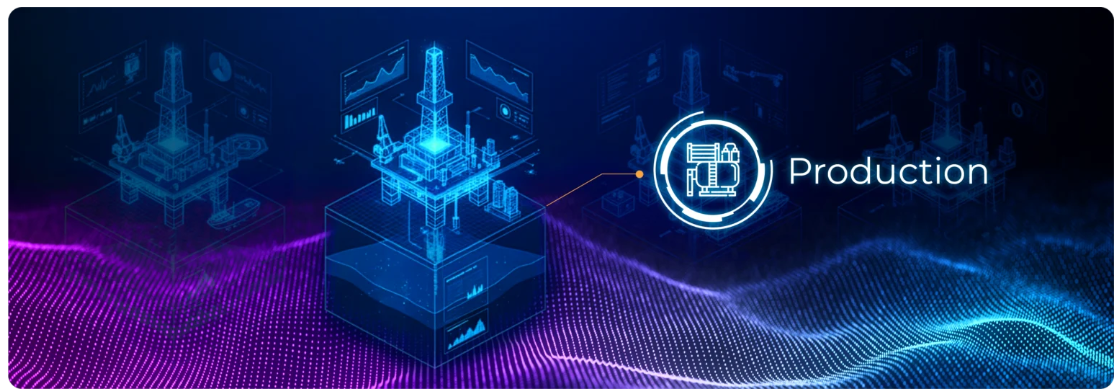
Meanwhile, during production, operators must balance maximizing output with sustaining barrier integrity. AI-driven well lifecycle management systems consolidate real-time data from sensors, inspections, and historical reports to continuously assess the status of well barriers and envelopes.
By combining analytics and predictive modeling, production teams can detect corrosion, erosion, or equipment wear before they compromise safety. This intelligence supports decisions on workovers, interventions, or decommissioning, reducing unplanned shutdowns and ensuring regulatory compliance across operations. IPT Global’s SureTec platform provides integrated tools to accomplish this, through the WellSchematic and BarrierManagement and PressureTesting solutions.
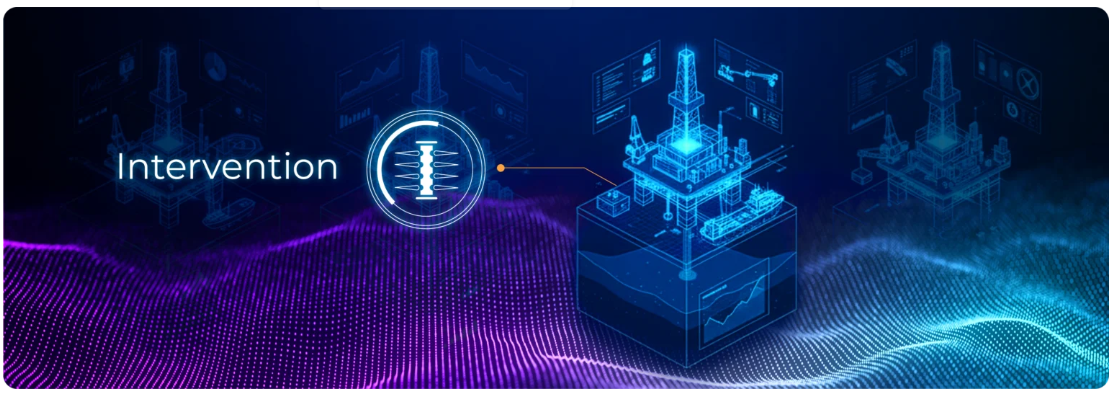
Workovers and interventions introduce added complexity with multiple crews, shorter timelines, and simultaneous testing. AI-enabled multi-test monitoring allows teams to track test results in real time and automatically flag deviations.
This approach improves the efficiency of barrier verification while maintaining full traceability. With consistent data flow from intervention to production, teams gain visibility into all well integrity tests, ensuring operational continuity and regulatory compliance. IPT Global’s SureTec platform provides integrated tools to accomplish this, through the WellSchematic, PressureTesting, and Equipment Health Monitoring solutions.
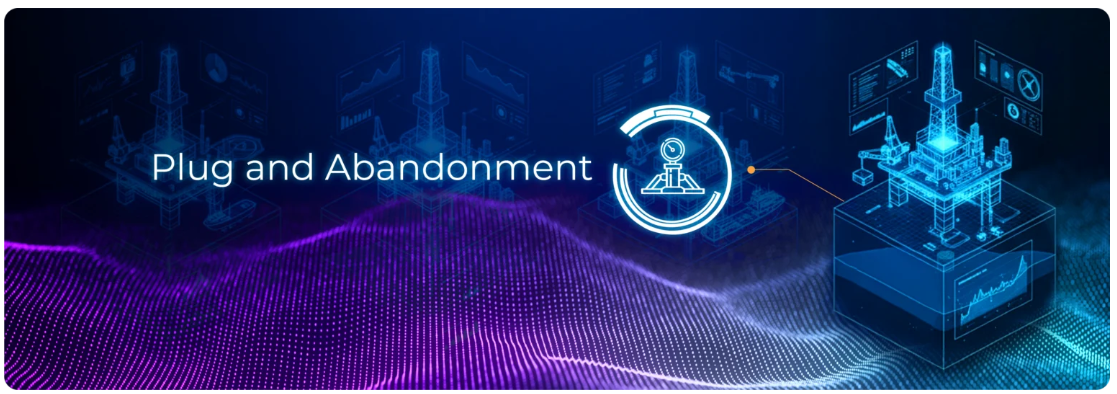
In the final stage of the well lifecycle, the goal shifts from production optimization to environmental safety and regulatory compliance. Regulations vary globally, but all require thorough documentation of barrier verification and abandonment procedures.
AI-powered well integrity software aggregates historical WBE data, providing a complete picture of each barrier’s condition before, during, and after abandonment. Predictive analytics can detect defective cement, corrosion pathways, and equipment weaknesses before P&A operations begin. IPT Global’s SureTec platform provides integrated tools to accomplish this, through the WellSchematic and BarrierManagement, PressureTesting, and Equipment Health Monitoring solutions.
This data-driven approach supports a safe, verifiable, and auditable abandonment process, reducing risk and ensuring long-term environmental protection.
Across every phase, data is the foundation of well integrity management. Modern platforms integrate real-time testing data, historical maintenance records, and regulatory reports into a single unified view.
IPT Global’s advanced reporting and analytics capabilities, powered by AI, allow teams to:
By connecting data from drilling and production through abandonment, operators gain insight into well health across the full lifecycle, empowering proactive decision-making and improving safety performance.
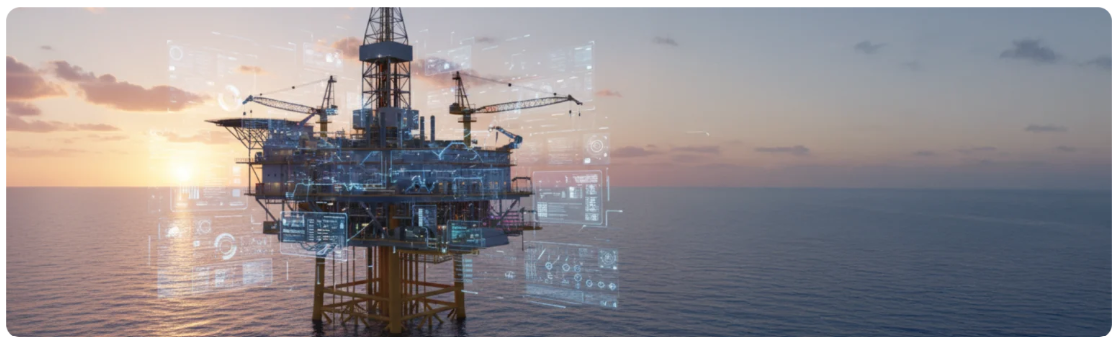
Managing well integrity across the full lifecycle of a well is complex, but AI and data-driven insights are making it more predictable, transparent, and efficient than ever before.
By integrating AI-driven analytics, centralized data management, and intelligent reporting, operators can sustain well integrity, reduce non-productive time (NPT), and ensure environmental and regulatory compliance from drilling to abandonment. The future of well integrity lies in connected intelligence, where data, technology, and expertise converge to protect assets, people, and the planet.
As operators continue to evolve their approach to well integrity management, integrating new technologies like AI-driven analytics is key to sustaining well integrity over time. Yet, the fundamentals of sound barrier design, verification, and maintenance remain just as critical.
For a further look at how these well integrity principles apply across drilling, production, intervention, and abandonment, read our article Managing Well Integrity Over the Entire Well Lifecycle.
At the International Association of Drilling Contractors (IADC) Advanced Rig Technology (ART) Conference, IPT Global Chief Technology Officer Cody MacDonald explored the future of drilling automation in oil and gas, emphasizing how data integration between service providers is becoming essential to safer, more efficient rig operations and well integrity management.
As a leader in well assurance intelligence, IPT Global helps operators and drilling contractors strengthen well integrity, improve visibility, and make more confident decisions to achieve greater efficiency from spud to completion.
One of the most significant barriers to effective automation is siloed operational data systems. Many rigs rely on multiple third-party service vendors, each with independent automation tools that rarely exchange data reliably or communicate in real time. This challenge is common across automation in oil and gas, where interoperability underpins digital efficiency.
Through IPT Global’s collaboration with a global super major, Cody showed how the SureTec platform connects service providers through integrated systems, enabling the secure transfer of well integrity data. This unified data approach is essential for optimizing performance in drilling automation and achieving true rig data interoperability across the entire well lifecycle.
Automation in drilling isn’t only a software problem — it’s also about hardware readiness. Certain tasks, like digital pressure testing, can’t be fully automated unless rigs are equipped with actuated sensors positioned correctly on choke manifold valves.
Ultimately, successful rig automation depends on synchronization between physical infrastructure and intelligent digital systems. Software alone can’t deliver consistent, safe results without the right instrumentation in place.
Moreover, Cody cautioned that automation implemented without strong data governance and quality assurance control can have the opposite of its intended effect. In such cases, poorly designed systems or fragmented drilling data management practices may amplify errors instead of reducing them.
To prevent this, operators should:
Operator data ownership remains one of the industry’s most critical challenges. From spud to abandonment, drilling data passes through multiple systems and stakeholders. Key questions include:
Cody proposed a data custodian model: an operator-driven framework that defines, governs, and enforces data standards for all service parties. This model ensures data remains accurate, accessible, and under operator control throughout the well lifecycle.
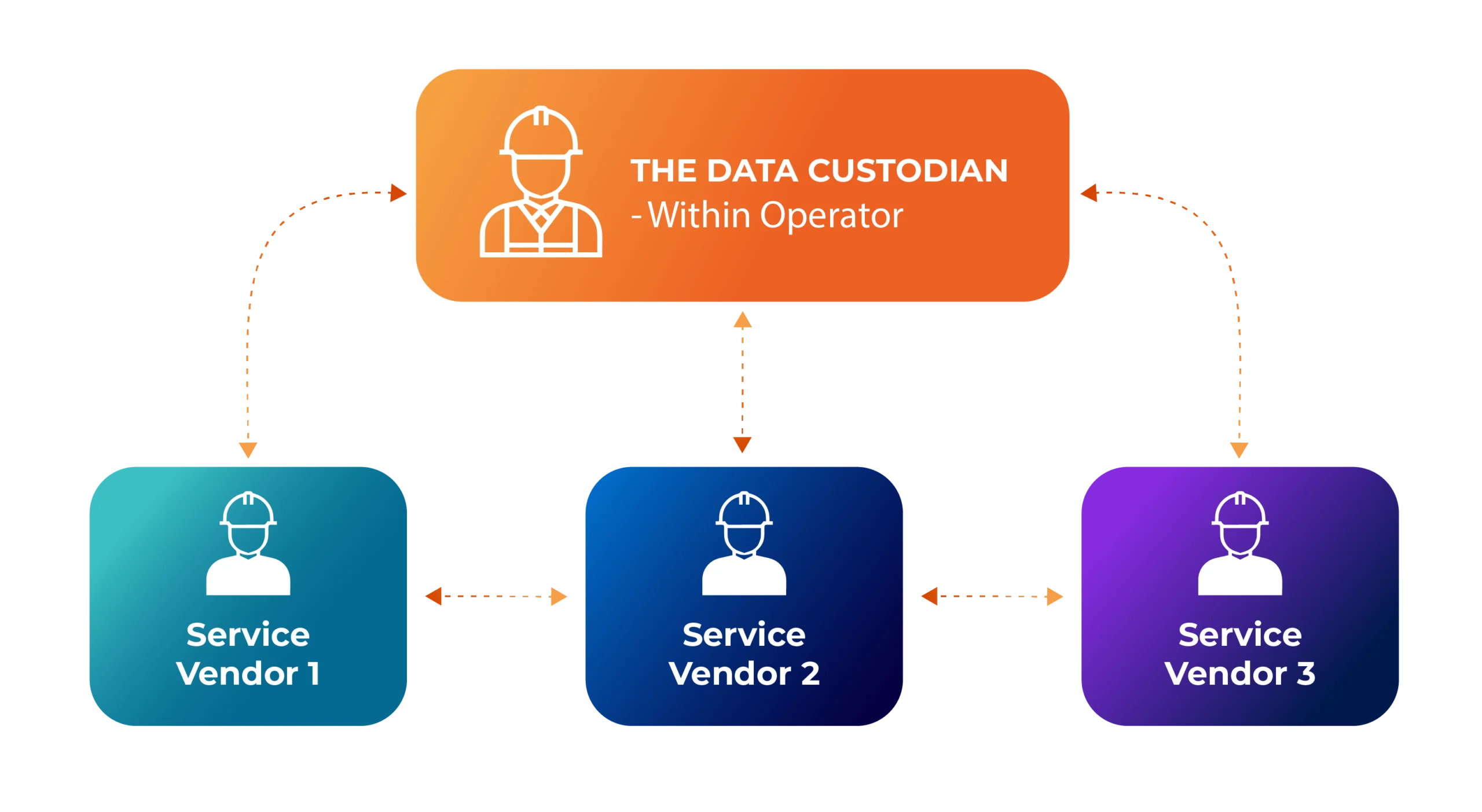
Cody concluded that the future of drilling automation depends on collaboration, data transparency, and standardization. At IPT Global, our SureTec platform helps operators connect systems, partners, and workflows to enable safer, smarter, and more efficient well delivery.
As the energy industry continues its digital transformation, data integrity and rig automation integration, and the adoption of standardized data, custodian models will form the foundation of the next generation of automated well delivery systems and well assurance intelligence.
Blowout preventer (BOP) testing is a critical-path operation in drilling programs, but for this major onshore operator it had become a persistent bottleneck. Average test durations exceeded six hours per BOP test, increasing non-productive time (NPT) and creating schedule challenges.
Beyond timing, the operator’s legacy methods, including circular chart recorders and outdated digital systems, made improving BOP testing efficiency increasingly difficult. These outdated tools often failed to capture complete assurance data, leaving quality issues undetected and complicating BOP testing compliance with API Standard 53.
The operator needed a digital solution to reduce BOP test time, improve BOP testing accuracy, and provide complete traceability across its rig fleet while supporting safer and more reliable well operations.
To address these challenges, the operator implemented IPT Global’s SureTec platform and its PressureTesting digital solution, designed to improve BOP testing workflows across its onshore rig fleet. Third-party testing companies used SureTec laptops at the rig site, while IPT Global’s Real-Time Operations Center (RTOC) in Houston provided remote technical support as needed. The solution’s high-resolution, real-time pressure data replaced manual readings and outdated tools to eliminate uncertainty and mitigate human error.
Automated validation and digital reporting streamlined the entire process, producing faster, more accurate, and fully verifiable results.
By digitizing and automating pressure test workflows with PressureTesting, the operator achieved a measurable step-change in operational efficiency. The solution replaced manual data capture and outdated systems with precise, real-time pressure data and automated validation tools. This transformation directly translated into faster test cycles, reduced rig downtime, and measurable gains in BOP testing efficiency.
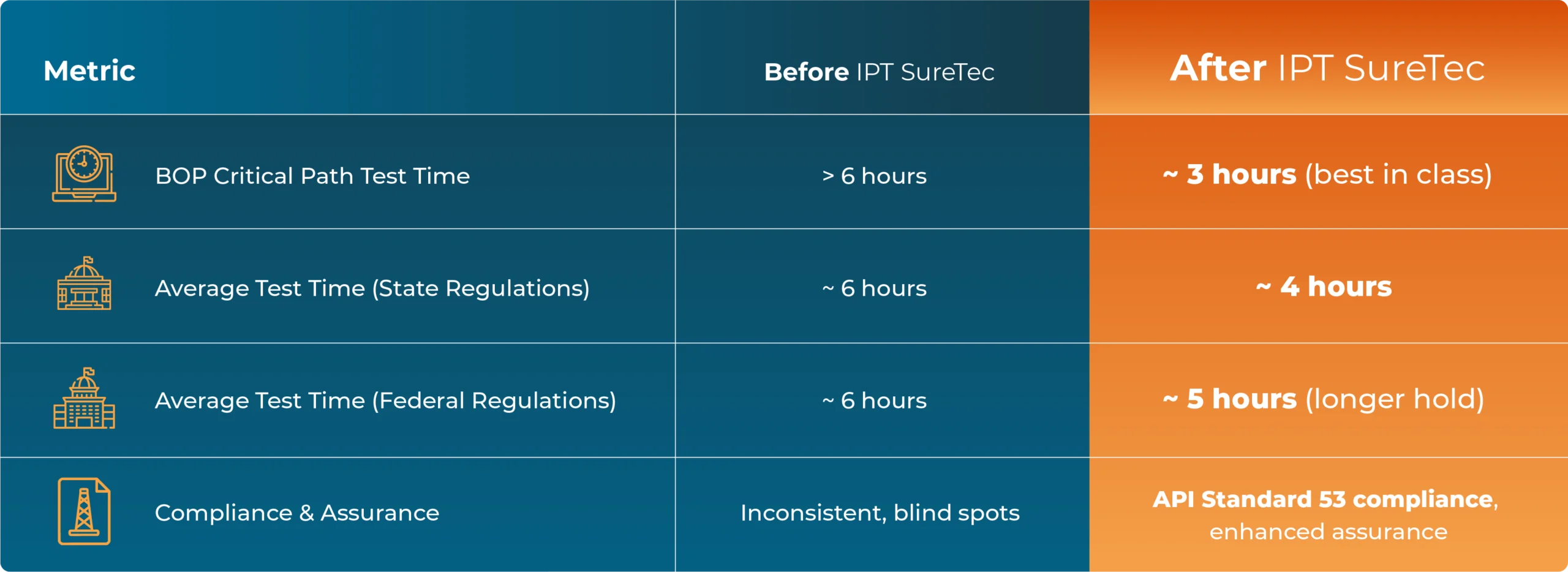
Figure 1. Comparative performance summary showing substantial reductions in test time and enhanced API Standard 53 Compliance after implementing IPT Global’s SureTec PressureTesting solution.
IPT Global’s SureTec Impact
This performance represents a best-in-class reduction in test duration, significantly cutting overall BOP testing duration and improving rig uptime.
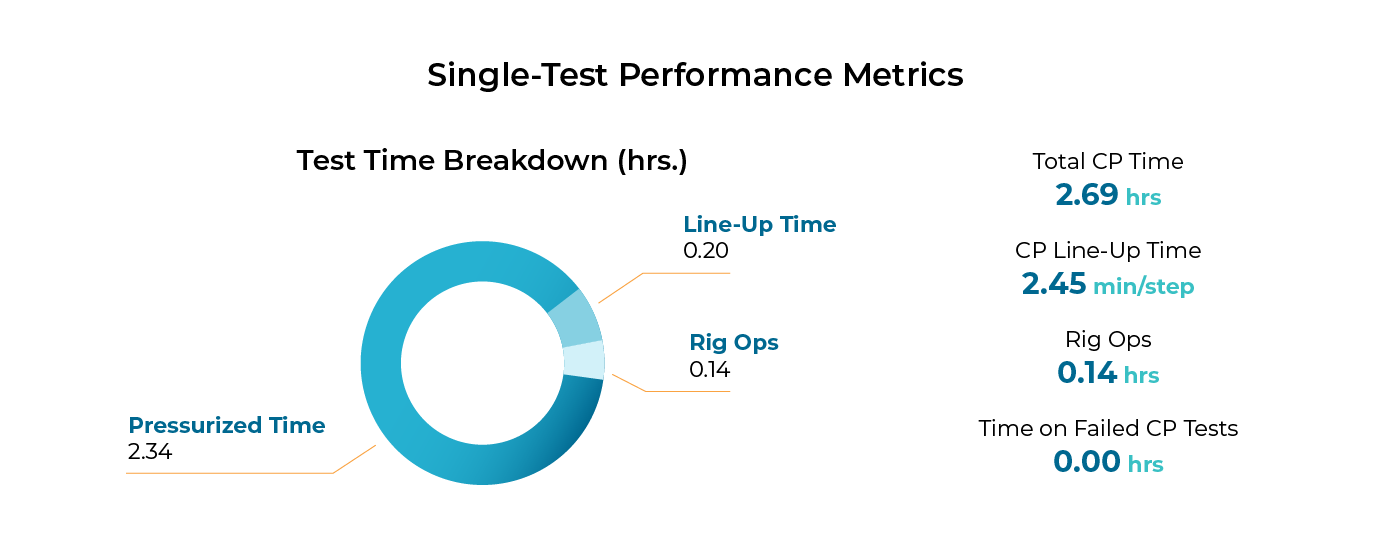
Figure 2. Single-test performance metrics recorded by IPT Global’s PressureTesting solution, showing how digital time tracking isolates each stage of the BOP test cycle.
The charts below indicate a decreasing trend over a 4-year period for Total Test Time, Line-Up Time, and Rig Ops Time as a result of optimized BOP testing and learnings from the implementation of PressureTesting. The continued improvement is indicative of the ongoing value and effectiveness of IPT Global’s digital solutions.
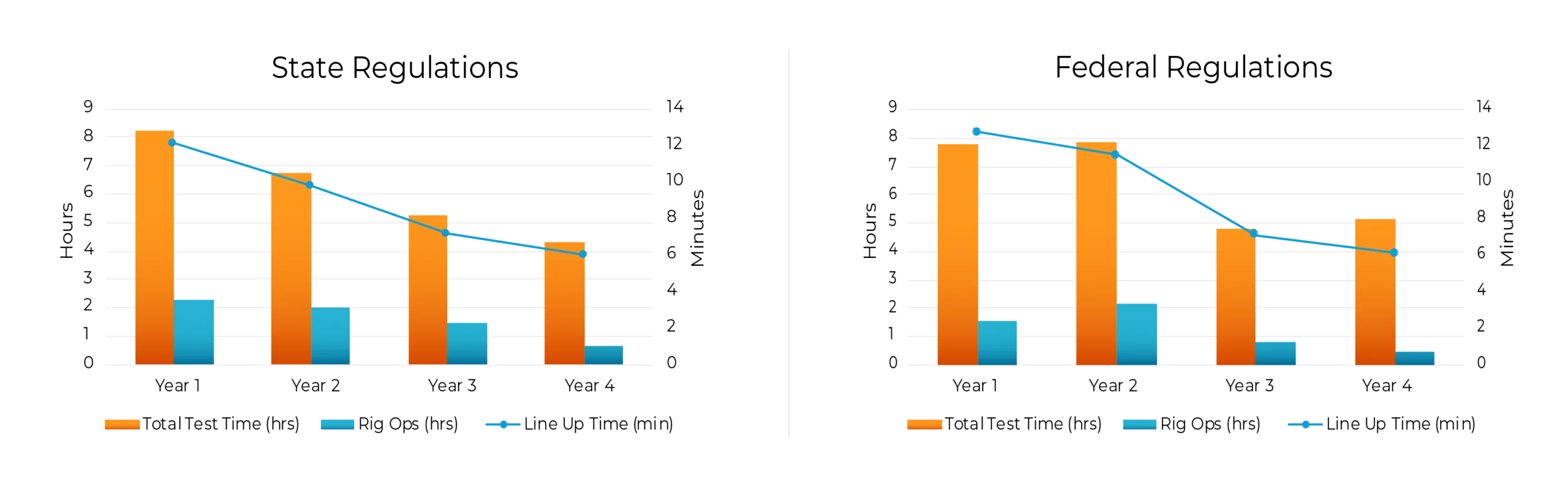
Figure 3. Visualization of improving year-over-year BOP test time trends across the operator’s onshore rig fleet, highlighting the reliability and optimization achieved through IPT Global’s SureTec PressureTesting digital workflows.
Consistent, verifiable test data and analysis is critical for maintaining compliance and preventing quality issues. With PressureTesting, the operator gained full traceability into every test event, allowing early identification of irregularities and ensuring that every BOP test aligned with API Standard 53 requirements.
IPT Global’s SureTec Impact
The chart below compares average BOP critical path test times for rigs under state and federal regulations. Despite longer federal hold requirements, SureTec’s PressureTesting maintained shorter average times and tighter variability, demonstrating consistent performance under all compliance conditions.
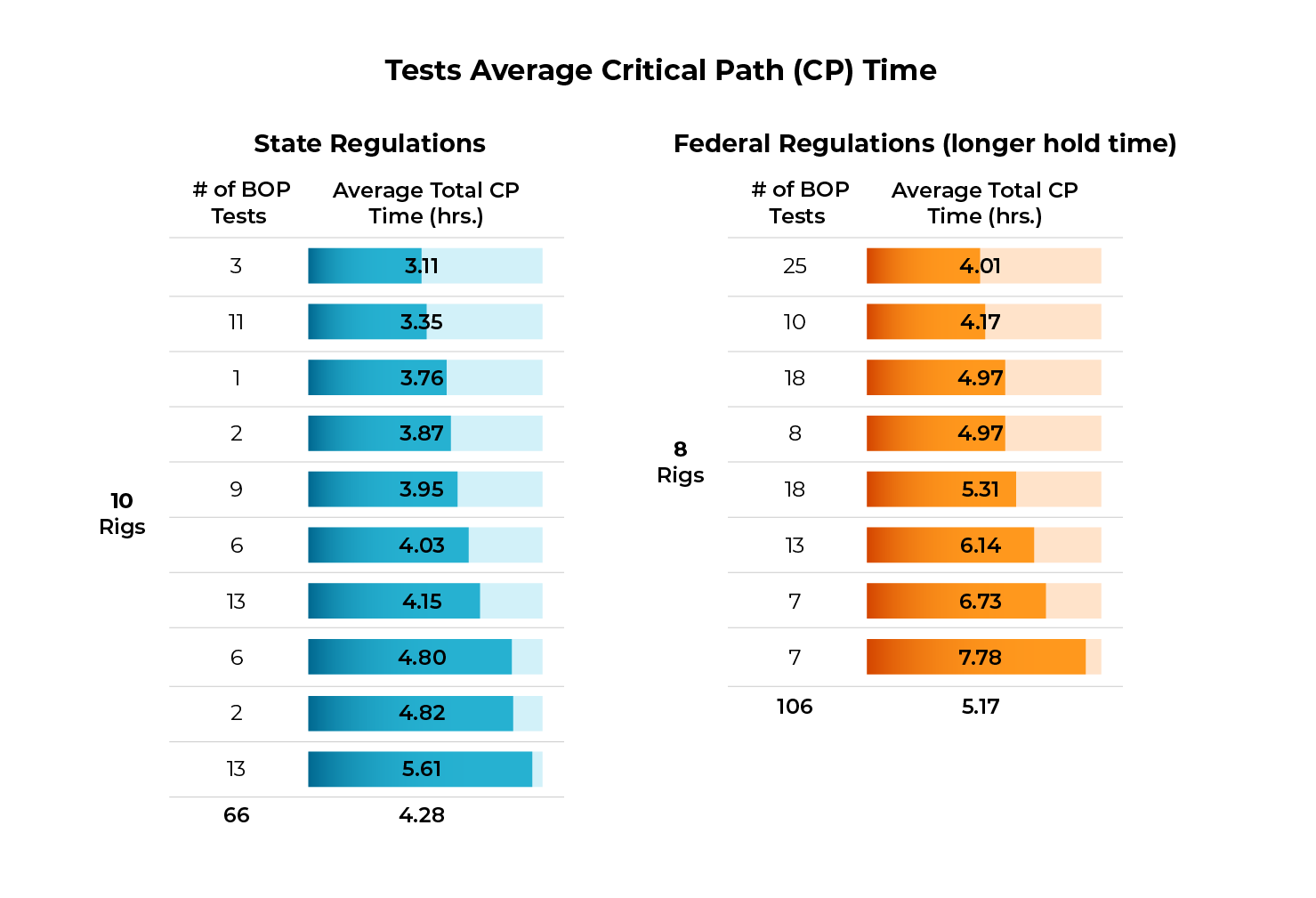
Figure 4. Average BOP test durations under state and federal regulatory conditions, highlighting reduced test time variability and improved consistency with IPT Global’s SureTec PressureTesting.
SureTec’s centralized digital test records allowed the operator to monitor trends, analyze test performance, and make real-time data-driven decisions faster than ever before. Over time, this capability improved its well integrity management program and established a culture of continuous improvement across rigs and over multiple years of operation.
IPT Global’s SureTec Impact
What began as an effort to reduce BOP test time resulted in a transformation of the operator’s BOP testing workflow. With SureTec PressureTesting, the operator not only achieved faster testing but also improved quality control, regulatory compliance, and data visibility, which improved well integrity management across its entire rig fleet.
Today, IPT Global’s SureTec PressureTesting solution is setting the benchmark for improving BOP testing efficiency and helping operators reduce BOP test time across both onshore and offshore environments. The digital solution continues to set the standard for BOP testing accuracy and assurance, enabling operators worldwide to improve efficiency in BOP testing operations.